For the past few months, I have been testing out five different shooting gloves, 3 leather ones and 2 fabric ones. Spending time in identifying the materials, how comfortable they feel, their fit on the hand and the overall quality.
The rational of this is based on question I have from several newbie archers who want to know what gloves work best and therefore the goal was it identify ones that are inexpensive and might be good for beginners.
It’s not about whether a glove is better than a shooting tab, it’s about which of the five gloves work better than others. They are all under £15 current (October 2026) There are 2 fabric gloves and 3 leather ones.
Testing process
Though this was aimed at gloves for beginners I wanted to try the gloves with a variety of bows and draw weights. This meant the testing involved shooting them with a low poundage beginners recurve of 18lb draw weight, a 30lb White feather Sheerwater flatbow and my competition Blackbrook TDR 48lb recurve. I realise that most beginners wouldn’t be shooting a 48lb draw weight bow, but felt trying different draw weights would give more of an overview of how well the gloves would work as the archer progressed to heavier draw weights or shot more.
All gloves were medium size fit, though the actual fit of them varied.
The gloves I have tested are listed below and the prices are shown based on Merlin Archery Website (https://www.merlinarchery.co.uk/accessories-for-the-archer/tabs-gloves/shooting-gloves.html)
- • Bear Paw Mesh Glove £6.89
- • Grizzly Jim Signature Series All Weather Glove £9.89
- • Buck trail £9.89
- • Grizzly Jim Signature Series Deer Leather Glove £9.89
- • Grizzly Jim Signature Series Kangaroo Leather Glove £14.99
Please remember I am not sponsored by any retailer and the gloves were purchased for the test by me (except for the deer skin which was a gift).
General advice
If you are looking for a glove then I feel it is really important for you to try different ones as the testing showed how the fit varied between the manufacturers. Overall I found the Grizzly Jim gloves fitted my hand better than others.
Also watch for the stitching quality on the inside of the gloves and on the finger tips. As these are areas that will see heavy use.
The protection offered to your fingers is vital in gloves and if the leather on the tips is too thin you feel quickly feel the soreness in your fingers. Exactly how think you want the gloves to be will vary on the wearer but it is worth considering. If you are an occasional shooter, shooting only a few hours a weeks then it’s not likely to cause you a problem, but if you are shooting multiple times a week or several long practice sessions then having a good glove that offers protection is vital.
One thing I liked on all the gloves was that they did not skrimp on the amount of Velcro used on the wrist strap, which was something I had encountered years ago when I used a glove. This meant you could normally get a really good fit on the wrist.
Some results
No matter which glove I used I found my hand got very warm and that is a downside of using a glove, certainly in the hot summer we have had this year. The flip side being it might keep your hand warm in the winter months.
Despite it being a hot and dry summer, I did do an emersion test with the leather gloves, where I got them soaking wet to see how they might feel after they dried out. It’s worth noting here that I left them to dry naturally and didn’t put them on a radiator or anything to encourage them to dry quicker. I should have done this with the fabric gloves too but by that point I had moved to using the leather gloves over the fabric ones.
From the outset of the testing I found I didn’t get on well with the non leather gloves. I didn’t like the way the fabric felt on my skin. I could feel the string through the gloves so could index them correctly but I did find they didn’t offer as much protection on the heavier draw weights as the leather ones did.
I found that they didn’t all offer the same fit to the hand with a couple being less comfortable on the palm across the thumb pad or thenar (I had to look that up.)
Early testing of the kangaroo glove didn’t go well, in so far as it leached out the colour leaving me with a very yellow hand. To be fare this has happened with leather work gloves in the past too, so it’s not just these gloves. Despite this I actually found this one to be my favourite of all the ones tested, offering a good fit and protection when shooting the heavier bow weight.
Second place if you like was a lot harder to pick as it was between the Grizzly Jim Deer skin and the Bucktrail. The deer skin fitted really well on the hand and felt like a second skin, but didn’t quite offer the same finger tip protection on the heavier bow that the Bucktrail did. For that reason, I would have to say the Bucktrail won out. I added a few of the Bucktrail gloves to the club coaching kit
Leather treatment
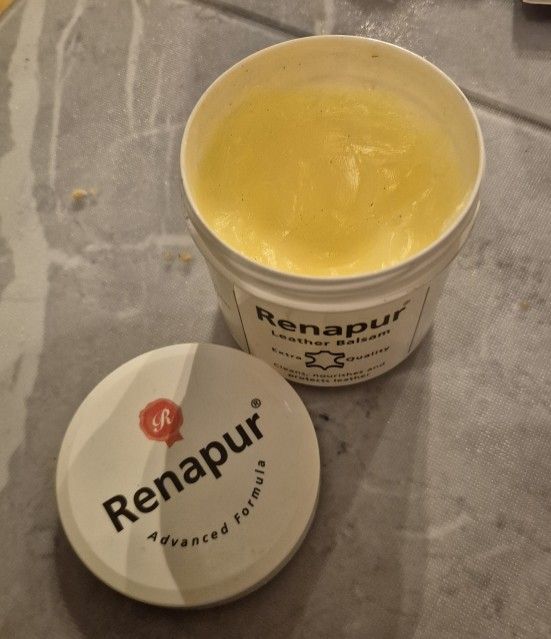
For reference I have treated the leather gloves with Renapur leather balm. I have used this for years on my shooting tabs, leather boots and belts. I’ve found it works well for softening and nurturing the leather. I applied this to the inner of the gloves and the outer, but not on the actual finger tips where the string would sit.
Conclusion
In summary I found that all the gloves worked in protecting the fingers when shooting to some level, with some working better for heavy draw weights.
The overall fit of the gloves proved interesting. Whilst most fitted on the fingers to varying levels some didn’t fitting as well around the wrist or across the hand.
I believe it really highlights the importance of trying different gloves on before you buy.
For under £15 you can pick up a decent shooting glove that should last you at least a season depending on how much you shoot and how well you look after it.
Thanks for reading and watching.