Episode 149 – Shoot Report – Black Arrow Field Archers

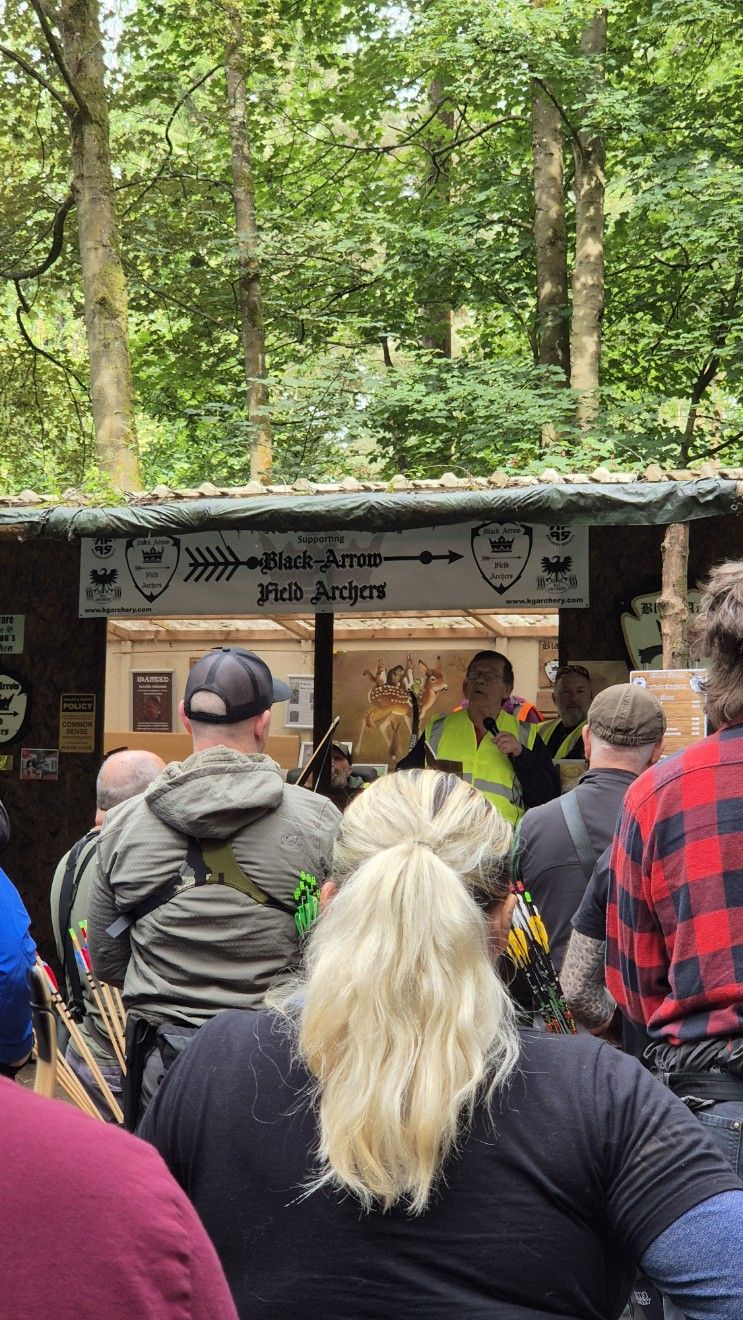
Regular listeners and readers of this site will know I have a soft spot for Black Arrow Field Archers club (BAFAC). I do my best to attend as many of their shoots as possible in the year. It is a club I used to belong too for several years and only left due to moving house and was where I started my field archery shooting and coaching. Feel free to look back and read my last shoot report from there.

Links to the episode can be found below for Spotify and Amazon music

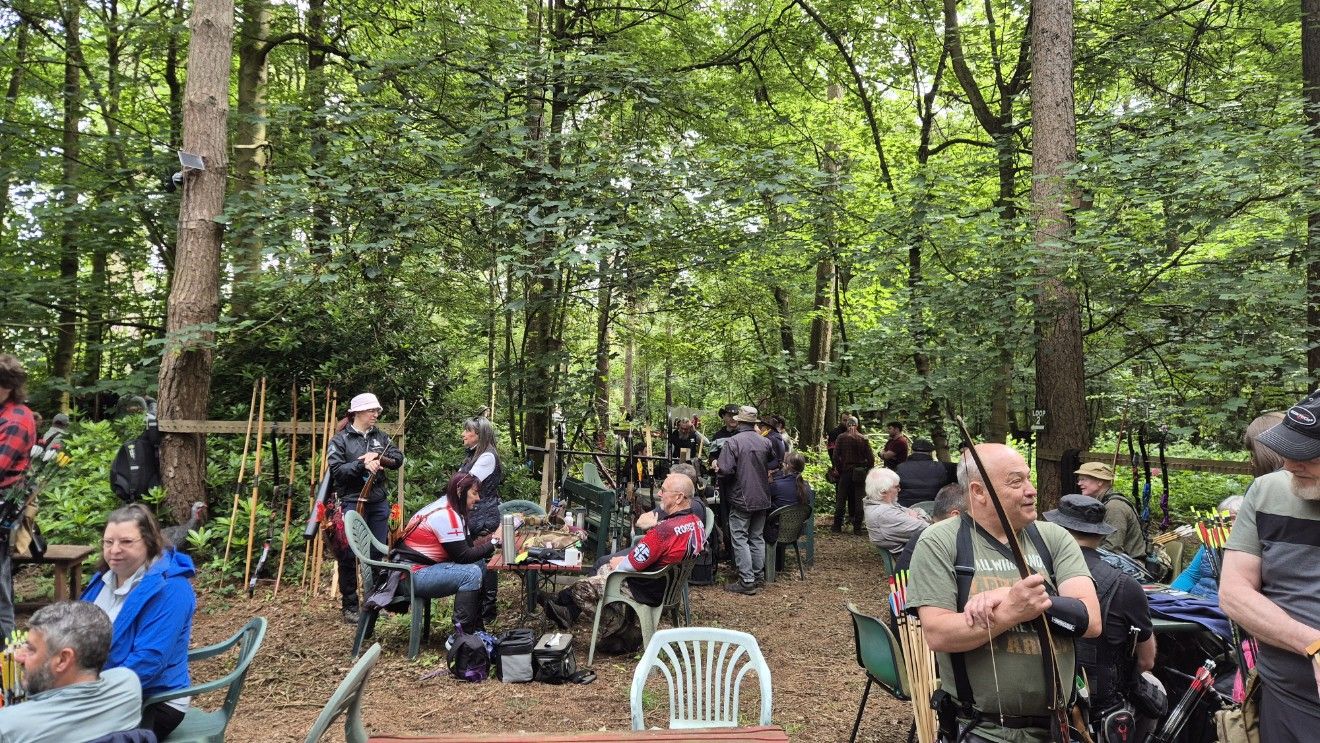
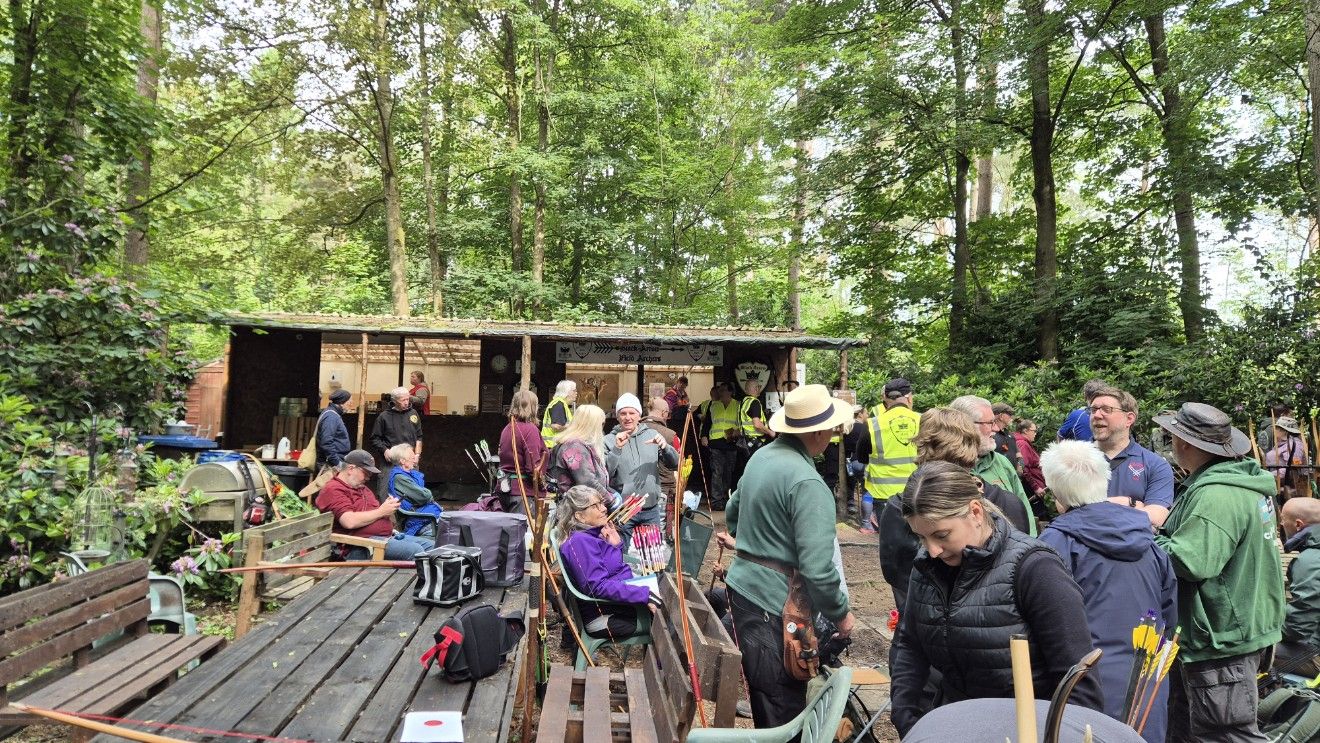
100 or so, archers would join us on the day to shoot BAFAC grounds and thankfully the wet weather promised earlier in the week never materialised, making for a cloudy but pleasant day. It was really good to catch up with people I hadn’t seen in ages, though it did feel a lot quieter than previous shoots. Especially Lynne

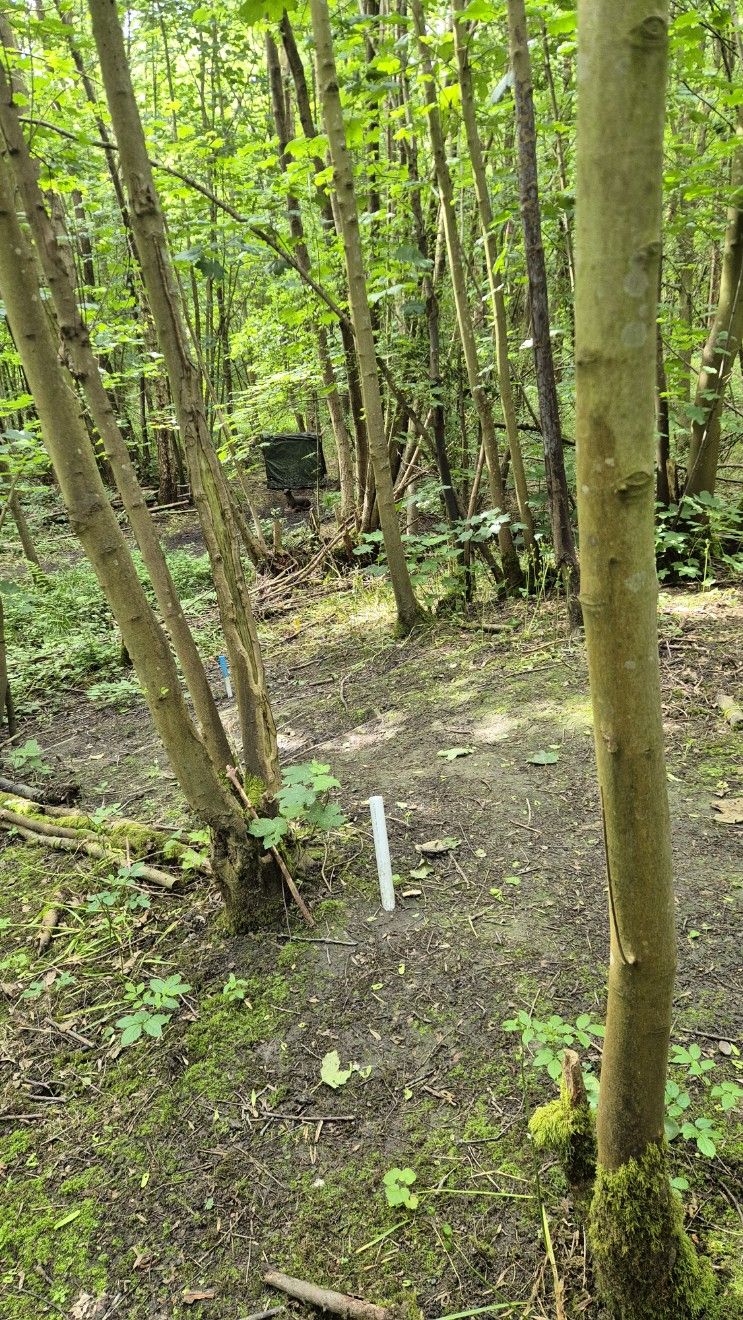
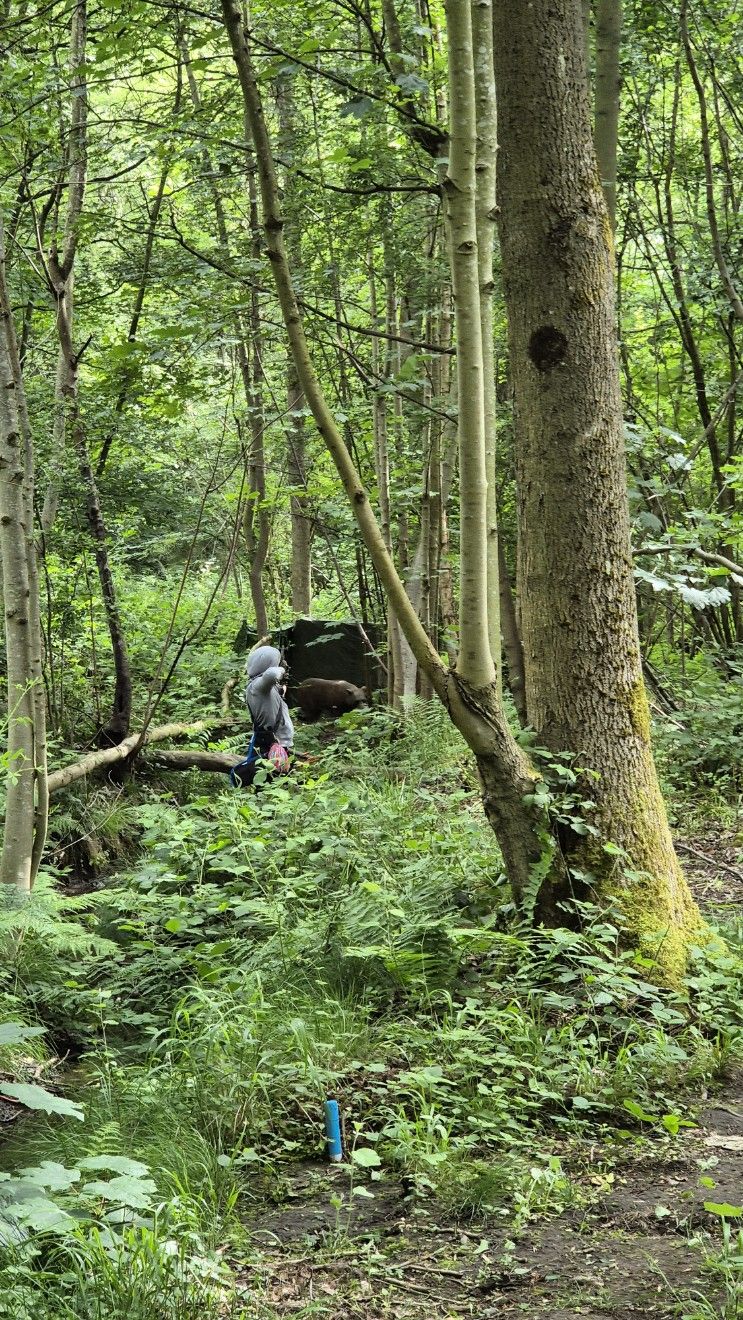
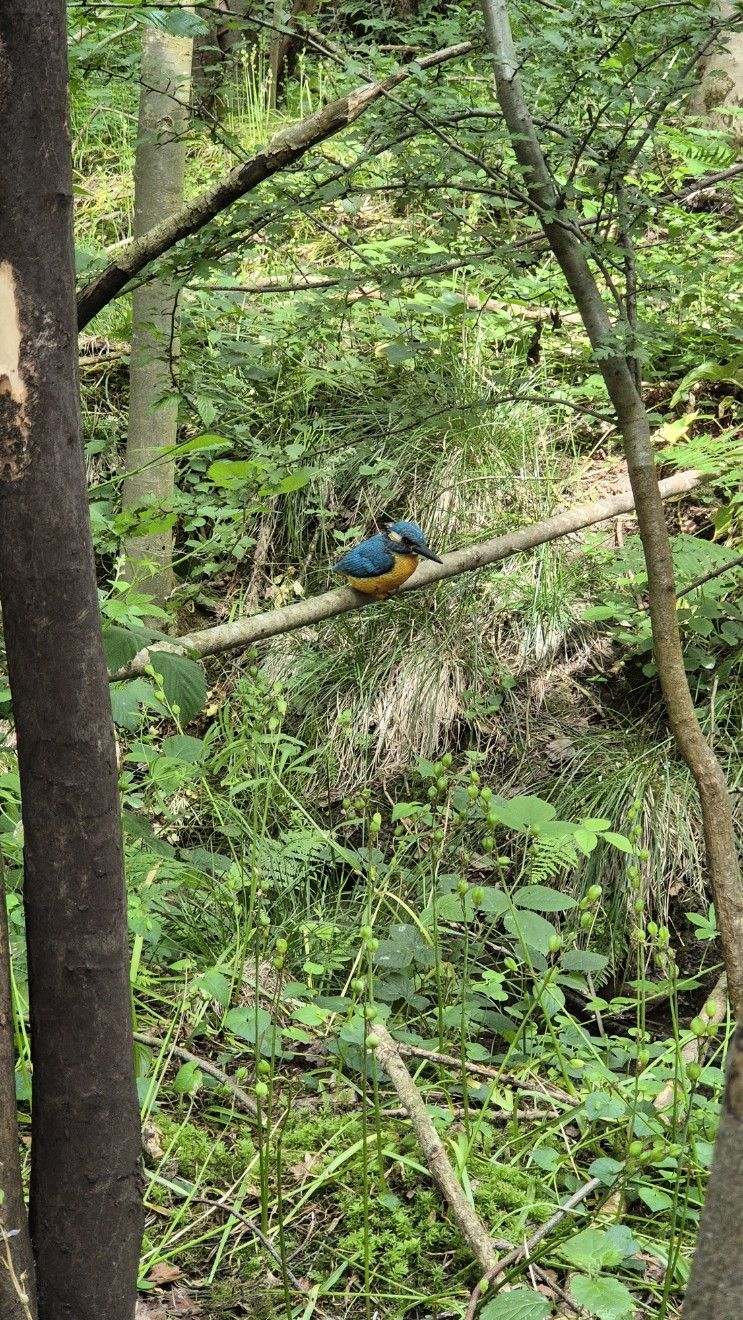
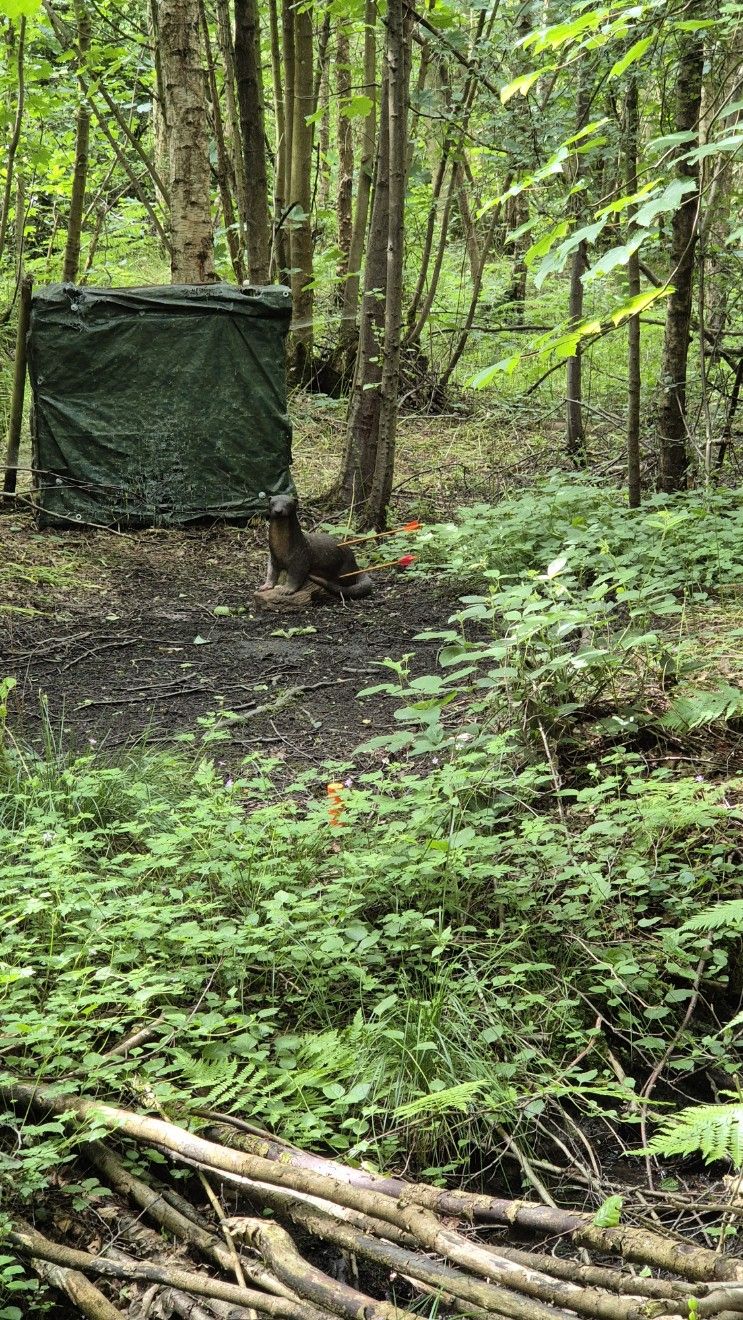
The course consisted of 36 3D targets arranged in 2 loops round the wood, with us starting on target 6, which was a 3d otter target.

The day started well with me shooting ok, not scoring the kill shots but hitting with first arrows. Sadly this would not continue as one one shot a few things triggered my down fall and I blanked what should have been an easy 16. I managed to get my head back in for the next but after the break I couldn’t get things to come together.

Speaking of break, I need to thank the catering team for the lovely chilli and baked potato I had for lunch. As always they put a lot of effort into the food and I think they probably had quite a lot left over due to the no shows on the day.

Now I know some of the people reading this will have seen the shoot results on NFAS page or on my Instagram feed and will know that I won my class, in fact all 3 of us would walk away with 1st (Sharon in ladies AFB and our son in U12 Unlimited). Whilst I won I feel it was a bit of a hollow victory as in myself I didn’t feel I shot well.

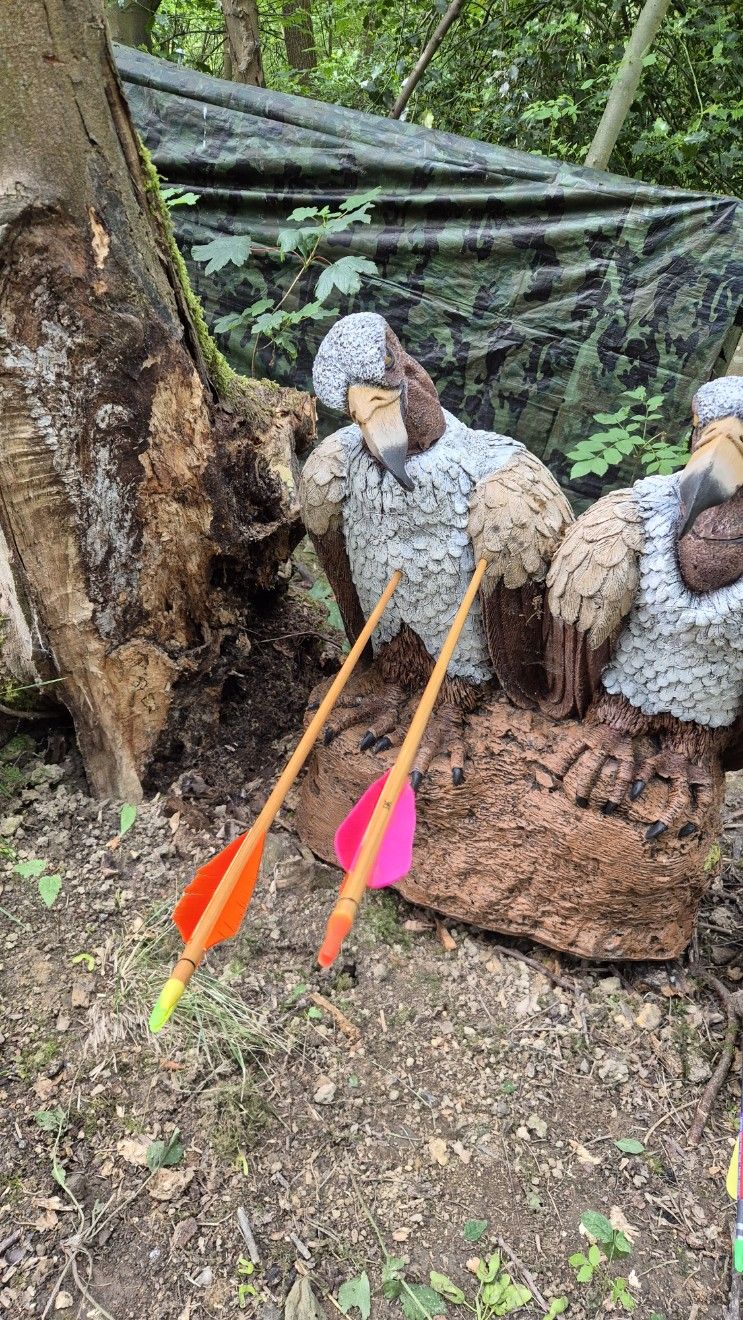
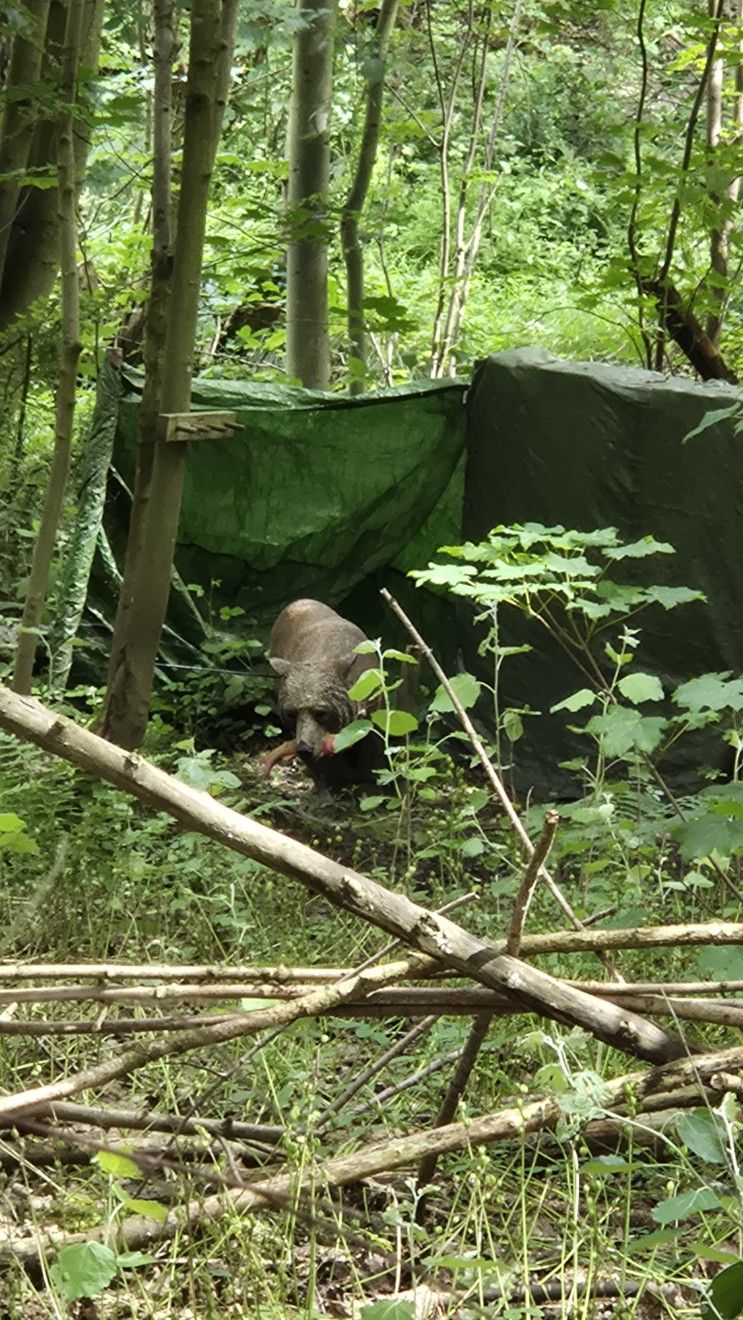
I had gone with my Hunting tackle rig and despite my best efforts, I would loose or break a few arrows. This time I would lose one, when it clipped the horns of the Wildcrete feral goat and skip off skyward into the depth of the woods, never to be seen again. Two others broke in tree roots, when I misjudged the distance and they slide under the 3D target. This seems to happen at BAFAC shoots as I often seem to break them there. Sharon broke one in one of their new 3D Chameleon target, when she hit a metal support tube.

The course was very similar to the last shoot and I think that got into my head a bit too as I thought I should be able to hit things as I did it before, so I was getting a bit frustrated when I wasn’t , especially in the afternoon, where my shooting was worse. It’s left me to do some serious thinking of what to do next.

Overall it was a good shoot, flowing well and with no significant hold ups throughout the day.

With fewer archers than normal we actually were all packed up and leaving the site by 4.30 and we were one of the last to leave. This was partly due to catching up and chatting to people we’d not seen for ages

Other topics mentioned

The Push

I did mention an episode of The Push, episode 426 with Ian Edwards that I am listening and relistening to and I’ve included a link to it below

Briar Rose Open shoot

We still have places for the Briar Rose open shoot is on the 19th of July and details can be found on the clubs website https://briarrosefieldarchers.wordpress.com/ It is open to all bow classes and members of the National Field Archery society.

NFAS coaches

As always thanks for supporting this site. If you have any questions or queries you can drop me an email on or via the website 

If you enjoy this content I’m producing whether it be on my YouTube channel (https://www.youtube.com/@offthearrowshelf) ., here on the site or the podcasts, then drop us a review, hit the like button or consider following / subscribing.

Most of all remember to enjoy your shooting and as always thanks for listening, watching and supporting.

Rob Shooting

Target Panic – Your journey starts now

So, I have come to the last of the articles on target panic. This will conclude the series and I will recap on a few things.
First off, I’d like to say thanks for sticking with me. I didn’t think it would take this long to get to the concluding post, but there has been a few things come up in 2020 no one expected. I’ve included a list here of all the posts ansd looking back I never thought it would run to 10 articles.

  1. Target Panic and the archer part 1
  2. Target Panic and the archer part 2
  3. Target Panic and the archer part 3
  4. Arrows role in overcoming target panic
  5. Target panic and how knowing our bows can help
  6. Before we start a quick reminder
  7. Target Panic techniques – drawing down
  8. Target panic techniques & blank boss shooting and Target face anxiety
  9. Target panic techniques – Draw, track, come down

Secondly, I’d like to say all the tactics, all the coping strategies, no matter how good they are, along with all the techniques are a waste of time and will fail. There, I’ve said it.

So, your immediate thought now is WHAT!! Why have you bothered to write all these articles? Why have I as a follower, spent the time reading them?

Well let me qualify what I have just said.
All the advice and the guidance is worth squat, it is completely pointless, doomed to failure even. If you don’t put work and effort in. If you don’t put the effort, commitment and work in. You, not me, but YOU. So it over to you now.
I said in the first post there is no magic arrows. It requires you to put the work in. To spend time trying the different techniques, not just once or twice, but over a few weeks. Then you can find ones that works consistently for you.
You can read every word ever written, watch every second of YouTube videos, listen to every minute of podcasts, but it will do you very little good. Why?
Simply because you need to apply this knowledge, you need to practise the techniques, apply the theory to yourself and your own situation.
I told you right at the start you would need a fair degree of patience and persistence and I meant it. Work for it and it will work for you.

I was listening to Sir Ken Robinson in one of his TED talks recently. In it he talks of engaging in the task but not fulfilling it. That struck a chord with me as I have seen so many people do this. He speaks of how you might be teaching in a room but are those people learning? For that matter is anyone learning or are they going through the motions? You might be coaching a group or individual at your club but are those individuals actually learning?
I can write hundreds even thousands of words, but if you as the reader, the archer, the student, don’t apply it then don’t expect to improve your situation. I don’t see it as a waste of my time as if one person finds this of use and it helps them then I’ve done some good. That was why I started this series of articles.

I’m going to reference another author John Hudson who writes of the survival triangle in this recent book How to Survive: Lessons for Everyday Life from the Extreme World. Hope > plan > work. This triangle of words is applicable to archery as any other activity in modern life.

Survival triangle

In these posts I have spoken of the shot sequence and how important I see it in helping to combat target panic or anxiety. Now I know it may sound strange, an instinctive archer talking about shot sequence so much. The reason I do is simple. The shot sequence as important to an instinctive archer as one who might be thought of as a technical or non-instinctive archer. An instinctive archer will want to feel the shot is right. But their brains / feelings can send wrong messages sometimes or when it doesn’t feel right, it can be hard to pin down the glitch. This is why I put emphasis on shot sequence.

If you know what you do and when you do it, you can work on getting it right every time. That is what you want to be able to do, get it right time after time.
Your brain always wants to be as effective and efficient as possible so it will do its best to speed processes up and take short cuts. This is not always what you want as sometimes those short cuts miss out important steps or become feed blocks.

Feedback v Feed Block

If you watch or read any material by Joel Turner, he talks of Open and Closed loop shooting. Well I tend to think of it as you either have a Feed block or Feedback. In the second example of a shot sequence back in the second article, I talk about “Does the draw up feeling right?” This is a feedback loop I have in my shot sequence to tell me if things are right. If they are and it feels right, then it is okay to continue otherwise stop and reset. It’s a way of stopping myself from executing a poor shot.
A feed block is when you get that feedback from your muscles or head and choose to block it out and continue with the shot. You want to avoid these as they don’t improve your situation. Work on developing the understanding the feedback your body, muscles and brain is giving you.

Spot it early

Learn to identify when you start to feel the butterflies in your gut start, before they turn into a target panic stampede of elephants. I feel these more often than people probably realise. The thing is when I feel it start I know what I have to do. I have tried and tested techniques now, but its’ taken me a long time to develop.
I’ll let you into a little secret. When I am on a peg there are times when I might be feeling a little uneasy about the shot I’m about to take. So, when I’m getting ready to shoot, I have a little mantra I say to myself to help me focus. It brings me back to the moment I am in and helps settle the nerves.
There are a few important elements. The terms, the phrasing and words used are positive not negative, reminding me of what I am and have been capable of. They are rhythmic and pull my focus to the moment in hand. I’ve known friends to write on the back of their bow hand “stay focused “.

There is an element of Mindfulness of focusing on the present current moment in time. For those of you who may not be familiar with mindfulness I have pulled up this definition.

“Mindfulness is the psychological process of purposely bringing one’s attention to experiences occurring in the present moment without judgment, which one can develop through the practice of meditation and through other training”
Wikipedia – https://en.wikipedia.org/wiki/Mindfulness

I have learnt to use the technique to bring my focus back to the process in hand, calming myself and taking the shot.

Going back to the first article I gave some examples of how target panic or shot anxiety can manifest. I am going to revisit these again but link them to strategies and techniques I have gone on to cover in subsequent articles.

  • As the archer approaches the peg they feel they have forgotten how to shoot, their brain goes blank. – this is where knowing your shot sequence, training your brain to know the process.
  • An archer may find it difficult to draw up on a target, with their bow feeling too heavy, they can feel like their muscles and brain aren’t communicating. Yet they can draw up perfectly well when not aiming on the target. – using the training techniques of drawing up and moving on off target
  • Archers may feel their kit is letting them down and be constantly altering the pressure on their button or adding / removing twists in their string. – remember the archers triangle and how knowing that your kit is right can reduce anxiety.

archers triangle graphic

The archers triangle

  • Some may be able to draw their bow, but release the string as soon as they have drawn up towards the target. Releasing the arrow long before they intend to or are on the target. They are effectively missing the aiming part entirely as they feel unable to hold on a target believing they must immediately release at full draw. – again, it is the training techniques and your time practising that will overcome this

Remember the definition of target Panic
“Target panic is a psychological—and perhaps neurological—condition experienced by many archers, both competitive and recreational.” (https://en.wikipedia.org/wiki/Target_panic)

And how I defined it.

It is a level of anxiety felt by the archer, which can either result in manifesting in physical feelings of unease, loss of muscle control or manifest in the lack of mental skills such as concentration or focus. The level of anxiety varies widely and can present itself on the field or at stages before.

You can overcome these feelings of anxiety, through practise and I mean dedicated practise time. Good practise is vital. Practise without effort, direction or discipline is useless in respect to overcoming target panic.
Anyway, that is it. I could go on far more, but I am going to stop here. Remember you aren’t in this alone, there are coaches and other archers out there more than willing to help. Myself included.
I really hope you have found these posts of use. Please let me know if it helps or if you would like some help.
Stay safe and thanks for reading.
target faces

Target panic techniques – Draw, track, come down

So I’ve covered a couple of techniques so far (drawing down and blank boss shooting) in this series of posts on target panic.
So the third technique I’m going to cover here is one I’ve adopted from Jay Kidwell’s excellent book “Instinctive archery insights“. I’ve written about his book before and would advise anyone who is interested in aspects of coaching or target panic to pick up a copy. It is a very easy read and offers some great insights. The book was recommend to me by another coach and I really should type up a full literature review on it for the site.

cover of Instinctive Archery Insights

Instinctive Archery Insights

There is a little preparation required for this approach and it is not something that I suggest you try with your normal draw weight bow. So one thing you will need is a lighter draw weight bow. I use a 16lb draw weight take down recurve with my students.
In addition to a light poundage bow, you will need a few modified target faces and a 6 sided dice. Okay, so I know this may sound a little strange, some would go as far as to say a bit far fetched, but stay with me. I have found that using a six sided dice can prove very helpful and no, I’m not talking about gambling or playing snakes and ladders. Likewise the simple modification to the target face will help promote focus.

Simple target face with couple of lines added

Simple target face with couple of lines added, one horizontal and the other vertical.

The objective of this technique is to help the archer overcome the urge to release as soon as they have drawn up. Instead they develop the skill, neural pathways or retrain their brains to draw up and track onto and off the target. Overcoming the desire to release immediately the arrow is on the gold or when the archer thinks its on the gold.
Anyway back to how a six sided die can help along your with archery practice.
As many of us spend hours on the range training alone, it is very easy to fall into bad habits or repeating the same pattern again and again. In some ways we want to be able to repeat good form, but in this exercise we need to include a random factor. Hence the six sided die.
In Jays book he describes how a coach or shooting buddy call out a number, to denote the number of times you draw up and track across the target. There are a couple of important facts. The archer track across the target without releasing the arrow. Secondly they do it a number of times specified randomly so don’t form subconscious patterns.
To provide the random factor when alone I used the dice.

six sided dice in a clear box

Dice in a box

I modified the dice so there was no 1,5 or 6. This was easily done by sticking a blank label over the numbers. I wanted the die to show 1 four, 3 two’s and 2 threes. This may sound strange, but you don’t want too many higher numbers when performing the exercise as you would get fatigued, nor do you want a single occurrence.
I then housed the die in a small clear plastic tub large enough to allow the die to roll and clear enough to see the result.
So the second thing I done is modified a couple of targets by drawing lines on them through the centre, one vertically and one horizontally. When on the boss it gives the archer something to focus closely on when moving on and off the centre spot.

Remember, since you undertake these exercises multiple times, it is advisable for you to use a lighter draw weight bow.

In Jays book there are 3 exercises and rather than going into detail of how each of them work I’m going to explain how I use them and adapted them for my coaching style and students.

Step one

Me trying to remember to shoot

Me trying to remember to shoot

I’ll got through these step by step

  • First, fit one of the modified target faces to the boss so you have one line horizontal and another vertical.
  • Pick up you light draw weight bow and set yourself up at about 10 to 15 yards from the target boss.
  • Roll the die to get your random number, lets say 3.
  • Draw up and when they get to full draw and aimed / focused on the gold or in this case centre of the target, you move to the right to the edge of target and then  back to the centre. Once at the centre track left, again to the edge of the target. All the time maintaining full draw whilst not releasing. That is the crucial part, not releasing.
  • In this example  you would pass over the centre 3 times before coming down. Right, left, right and down.

The lines on the target provide a guide for movement. The theory is you are retraining your brain to be able to draw up,  centre on the target and then move off and back on without releasing. The movement to the left and right doesn’t have to be huge, ideally 3 to 4 inches at most.
The advantage of using the pizza base targets are they aren’t that large so you are tracking left and right only a little.
An alternative to this method is rather than tracking left to right, you track up and down, moving vertically through the centre. This is why there are both horizontal and vertical lines drawn on the face.
Try practising this technique for a few weeks and slowly it will help you build confidence and control.

The next step

So by this stage you have hopefully learnt to be able to draw up onto the target and move off it. A subtle development of this technique is when pass over the centre, you actually stop and hold on the centre for a moment.

From my experience these exercises work well, with the die providing a random number of reps you have  to perform.

Development

When you have mastered either or both of theses techniques you can progress to a slightly different version. In this version you combine the above exercise of moving over the centre spot of the target but on the final pass you lock onto the centre and you actually release the arrow.
When I am coaching these technique with students I recommend, they don’t perform them for long periods of time. Even with using a light draw weight bow there is quite a lot of strain on muscles, not to mention the concentration required. Ideally 15- 20 minutes seems to be optimum. Any longer and it can become tedious and the students tend to lose concentration.
The other thing is to practise these techniques over a few sessions, as it will take time for you to retrain your brain into being able to draw up, move on and off target spot etc. It is not something you can do once or twice for a couple weeks and then stop. Overcoming potentially years of subconscious neurological programming takes time and effort. So give yourself time to learn these skills. It does help if you practise them.

Thanks for reading.