Course laying behind the scenes

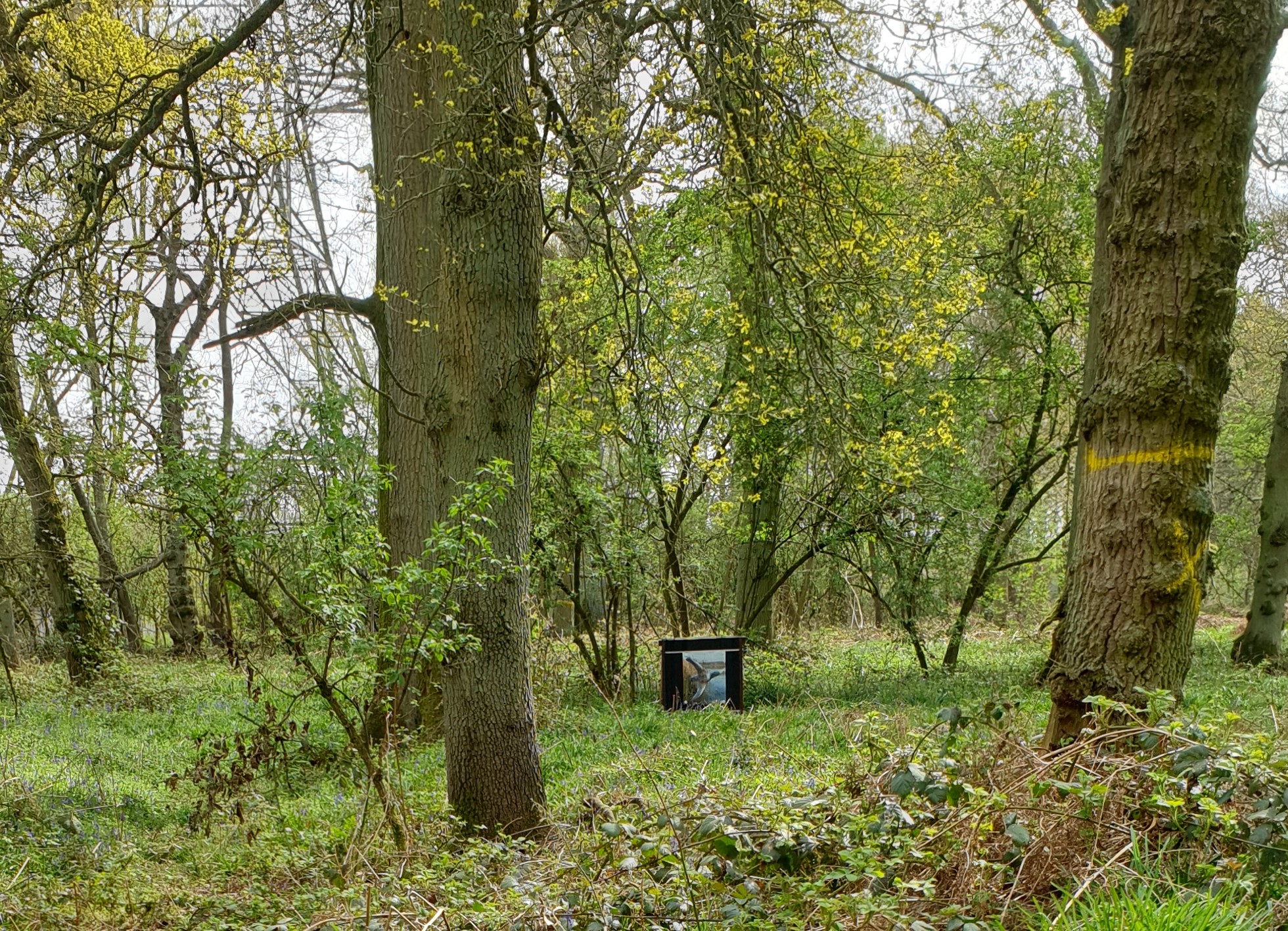
Archery target in the woods
Course setting

In this and my next few posts, I’m planning on exploring some of the behind-the-scenes activities that go on for a National Field Archery Society (NFAS) shoot. Those activities which attendees may not be aware of unless they have been involved in hosting or running such events. Though this will be focused on NFAS shoots these activities are common to most organisations.

You might wonder why am I doing this, well personally, I feel it is beneficial for all archers to gain some knowledge of some of the activities that go on before the event so they have a clearer understanding of the process which are otherwise hidden on the day. In doing so I hope the attendees can offer constructive feedback.

The concept of feedback will be the focus of this post. This in itself may sound a little strange. Starting with the very thing that is provided after the event, but it is something which has an impact on all parties and can be both positive or negative, constructive or damaging, supportive or hurtful.

Many people love to offer their views and more often or not this used to be via conversations in the clubhouse. Now in the 21st century, countless social media platforms offer people the ability to post their views, thoughts and more. You are currently reading my views.

Reading all this can be difficult especially if it’s not positive pr constructive. Filtering through these reports is not always easy if you are a course layer. I often wonder whether as course layers you have to develop a thick skin. I mention filtering as people will post their feedback based on their point of view or perception of the shot, organisation of the event etc. The style or shooting class will play a part here too, so remember that.

There is an old saying which seems very apt.

You can please some of the people all the time. All the people some of the time, but not all the people all the time.

Feedback positive and negative is equally important.

Whilst it’s great to receive positive feedback from archers on your course laying abilities, sometimes the less positive feedback is more important. That may sound a strange thing to say as, after all, you are wanting to experience the feel-good emotion about all the work and effort you’ve put in. So, I will try to explain it and the logic behind this statement.

So here is the Why?

Well, negative feedback if constructive provides you with the opportunity to develop and improve. I firmly believe that learning from your mistakes is vital. Too often in today’s society, people are focused solely on the positive for self-esteem or promotion etc.

Constructive negative feedback should stop you from becoming complacent with your own ability and perspective if you choose to explore the reasoning and facts presented.

The first step is to listen to the feedback, ideally with a clear head and evaluate whether there is justification for what is being said.

Some will present feedback that is, let’s say flawed or not entirely accurate. An example might be a statement that’s a 35-yard stretched shot for the target face. Well, if you know the distance is actually 28 yards and then their justification is possibly flawed.

Admit when you screw up.

Course layers are not perfect, all are human and therefore can and do make mistakes. Sometimes you have to put your hands up and say you got it wrong. In fact, I believe it is very important to do this if you have genuinely made a mistake. To steal a phrase from one of my favourite podcasts, “Don’t be that guy.” Don’t try and cover it up or worse still, blame the archers. It is not fair on them nor is it the right thing to do. If you have to make a mistake accept and learn from it.

For those interested here is a brief shoot report on our clubs website https://briarrosefieldarchers.wordpress.com/2021/08/19/briar-rose-field-archers-shoot-report-15th-august-2021/

Thanks for reading.

Cash – is it the only option for archery clubs?

This may sound a strange topic for an archery focused site but is based on the factors clubs organisers have to consider when it comes to running events, especially when factoring in COVID safety requirements. This is the first in a couple of articles where I look behind the scenes of a club and try to help archers understand the workings of a club and go unseen, but enable clubs and their events to function.

Before cash, bartering was the mode of a transaction between individuals for centuries. Bartering was replaced with cash in all its forms and has been the means of payment for many years. Now, in the 21st century, there are other options such as credit cards, chip and pin, and payment apps on your phone. In recent months there has been a growth of interest in such electronic payment methods in archery clubs nationwide, due to the COVID pandemic guidelines from government and governing bodies. In this article, I hope to explore some of the options and decisions we made for our club Briar Rose Field Archers, here in the UK. The first thing is I’m not a financial expert, though I am the treasurer for the club, I hold no qualification in accounting etc. So these are findings based on experience. Some of you may have seen my posts on the NFAS (National Field Archery Society) Facebook group site where I was initially asking about contactless payment options for clubs. What if any were being used by clubs? A follow-up to the initial post expanded on our experiences with our choice. From these posts, I received some comments and feedback on options and I promised to share our findings and experiences so here goes. There are a few options for prepayments and I am going to mention a few that were raised to us.

  1. Cheques / Postal Orders (Yes, Postal orders still exist and are used) have been used for years by some shoot organisers but has become less commonplace more recently. While they offer some benefits there can be a hassle for paying into club bank accounts where bank opening times are limited. Some mobile banking apps allow users to photograph the cheque for payment.
  2. Bank transfer: This is when clubs publish their bank account number and sort code, for users to electronically transfer funds from their account to club accounts. (One quick tip here is concerns tracking payments coming in, as this can be helped by the sender adding details in the transaction i.e. entrance for the shoot for J Smith and D Jones etc. Otherwise, it can be a little problematic). The advantage of this method is it’s free for the club and end-user. Also, it reduces the need for clubs to have a large float on the day and those who pay in advance are more likely to attend.
  3. The E-bay option results in charges for anything that is not classed as a gift and at the time of writing this, it was over 4.1%. This option was suggested by a couple of people but the fact it charges for payments and requirement of eBay accounts etc was not something we as a club wanted to pursue. Others may have a different opinion.

Just as a side point, we encourage our club members to pay via bank transfer and this works well as it is easy to trace payments and people for membership fees etc. For an open shoot, it might be a little harder. For our shoot, we decided against going with a pre-payment option as we were concerned about the COVID pandemic and we did not feel we were in a position at the time to go down that route. For future events, I think this decision may well change. We did want to explore other non-cash options as recommended by the NFAS in their COVID safety documentations. So this left us looking at contactless systems, ideally ones supported by our bank.

We went via our bank (TSB) option for contactless payment, as this gave us a free card reader and used the Square app to link to our mobile phones. (If you are going to look at this form of the payment transaction you are going to need some method of being online, which can be problematic in some areas of the country where phone coverage is limited).

The Square account allowed us to have no transaction charges for the initial £1,000 and then a fee of between (1.75% for contactless, 2.5% for online). There are other options if you want to pay a monthly tariff, then transactions are free but we feel this is aimed more at businesses with a higher turnover. This is something to consider if your club runs several shoots throughout the year.

The system was used the other weekend at our shoot and worked pretty well. It sends you an email confirming the amount 24 hours later and in hindsight, we should have tracked on paper too so we knew how much came from cake sales and how much was via the entrance. I think this can be done within the app software but wasn’t set up in time on the app on the phone we used.

As I said earlier, the account we have provides us with £1000 free of transaction charges then a percentage charge per transaction. So in the long term, there will be a cost to the club, but it reduces the need to have large cash floats etc. I also feel this is safer for individuals who don’t have to carry potentially large sums of money, either around a site or bank. As someone who used to bank takings in the past, carrying large sums of money can be a little unnerving.

I hope this proves helpful and if there are any questions, drop me a message. Thanks to all who offered help and advice too. As I wrote earlier, this is the first in a couple of articles I am planning. Others will cover some behind the scenes work of archery clubs.

Thanks for reading.

A few videos of the club woodland

I thought it would be cool to share a couple of videos I shot over the weekend down at the club woodland. Sorry for the wobbly camera work but this was shot on my mobile phone as a bit of fun.

The second is showing me checking some of the bridges we have put in along the course.

We’ve installed 3 bridges so far, to make it easier for archers to get across the drainage ditches.

We now have a 34 target course, though really need to prune some vegetation as the undergrowth has shot up. Along with organising an NFAS shoot in August all being well.

Thanks for watching, stay safe and take care.