- Safety
- Keeping their interest
- Returners
- Fun
Safety, safety, safety
Actual risk covers the potential dangers faced to attendees, i.e. the real dangers but may not all be obvious e.g. you might be behind a bush not realising a target on other side of bush. Risks also include the environment, so be aware of slippery paths, bridges or broken branches hung up on trees which could come down in a gust of wind. You will be amazed at the number of times branches choose to fall just as you pass by. (Personally I recon it’s the squirrels bombing us.)
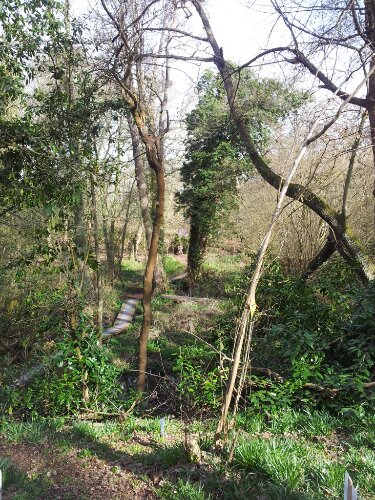
Clear overhanging trees
Perceived risk makes you feel endangered and this can come from the sound of an arrow hitting a nearby boss, or a path looking slippery, etc.
Perceived risk can have a great effect on people as if they don’t feel safe it might make them rush or anxious. The biggest thing here can be sound. The sound of an arrow hitting a boss near by or passing through a bush, you aren’t sure where it came from but “feel” or perceive its close.
Your imagination kicks in and you feel it is unsafe.
A good tip is to have your club safety officer or a couple of experienced archers / course layers walk your course and provide advice. Those fresh set of eyes and ears might spot something you have missed.
Keep their interest
If you want the archers to remain engaged throughout the day you need to keep their interest throughout the day. If you make the shots too easy, people may lose interest. If you make it too hard the archers may become demorislised. Its a really fine balance to make it a challenge.
So What makes a shot challenging?
My personal view is there are several ways in which you can make a shot challenging. The art is combining one or two of them together to make a shot challenging without being too hard. In essence there is a fine balance between challenging and demoralising and as a course layer you need to judge this carefully.
In the next post I will look in more detail on factors like target size, elevation, distance etc. Watch this space.
Feedback to the club
Whether it is positive or negative is very important to feedback to a club on how it is going. Where possible give it to them on the day while it is fresh in your mind.
Word of note here. There have been times I’ve chosen not to give feedback to clubs on the day. I am not going to identify the club or clubs in question. So why the delay? Well, when you overhear marshals dismiss archers comments and concerns on the day in a very casual manner you question its worth.

talk to the marshals
If you put the effort in to designing a shot and course, it can be hard when you hear negative feedback, but people are entitled to their views. So listen, take note and review it. You might disagree and think they are wrong but then again when you think about it maybe they are right?
After all you want the archers to return, don’t you?
You want archers to return
Archers will often vote with their feet. If they don’t enjoy the course there is the possibility they won’t return, which means your club suffers in loss of income and maybe bad press.
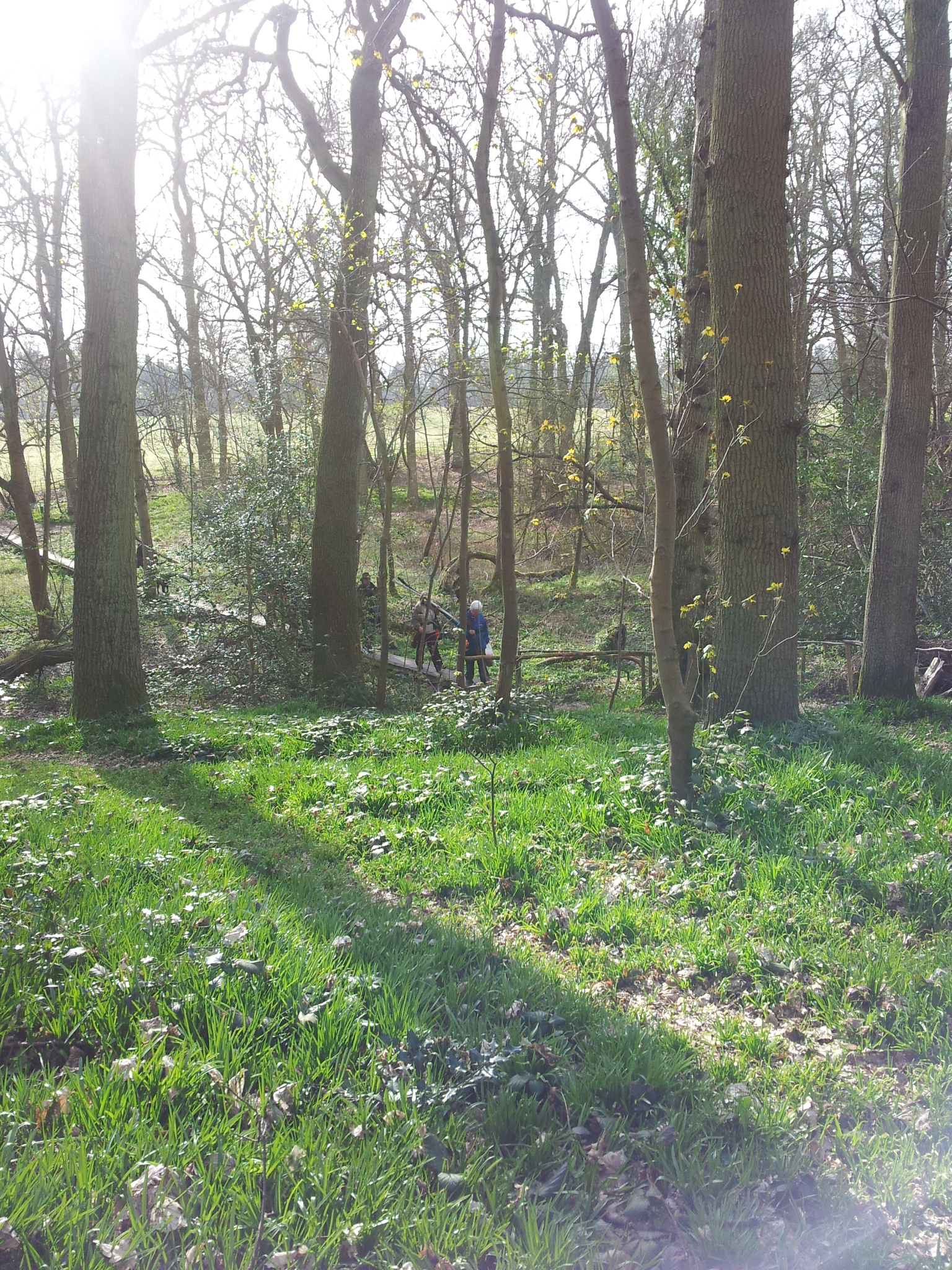
Archers returning
So when you are setting a course it is worth keeping a couple of things in mind.
Remember beginners, we all started at some point.
It is very important to remember that not all archers attending your shoot will be experienced, it might be some archers first shoot. For this reason it is important to remember the newbies. If your setting up a course as preparation for a champion then advertise it as such so people are informed.
Remember the kids. They have light poundage bows and can struggle on distance judgement. One of the best compliments I ever had was from a couple of parents. They wanted to thank the course team for putting in a good course for adults and children. We had set up the junior shots were still interesting for them and not just a stones throw from the target.
Fun on the day
The vast majority of archers that attend a shot will never get placed or win a medal, but they are the ones that help fund the event and support the hobby. If they don’t enjoy it then they aren’t going to return, so when setting a course remember them and especially remember the kids. Children can get bored and disheartened a lot quicker than adults.
So when you are setting up targets think about the kids, and make sure the junior pegs are appropriate. It is very important when you consider the children and junior archers. Happy children = happy parents.
So how do you do this isn’t entirely down to course laying. Talk to the archers as they are going round the course. Be friendly, help them search for arrows find out if they’ve encountered any problems. I’ve marshalled shoots in the pouring rain, helping archers to search for their lost arrows.

Me at the target, before the rain came
At one recent shoot we discovered a branch had fallen obscuring part of a target. Thanks to talking to the archers we were able to clear it.
And remember to smile even if it is pouring with rain and blowing a gale. They have given up there time to travel to your ground so give them a smile. It doesn’t cost anything and might brighten their day.