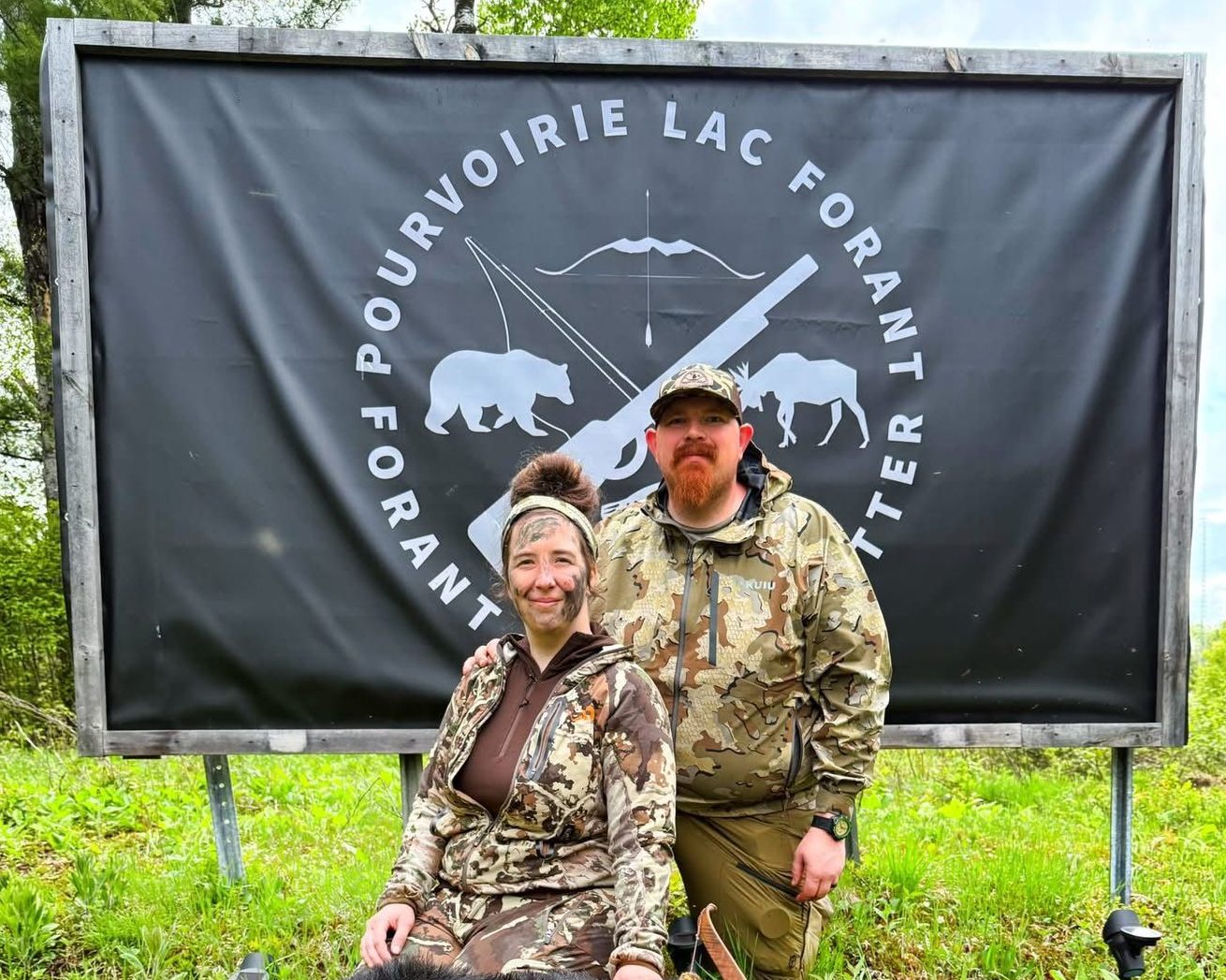
I am very fortunate in this episode to have two very special guests grace the airways with me. Austin and Courtney Motte of St Joe River Bows, over in Michigan United States.
They took time out of their very busy schedule of making bows to record the episode where we get to spend the time talking about everything from bow making, shows they have been too and are heading to and being a British podcast we briefly discuss the weather.
If you are in the states and heading over to ETAR this year, they will have a stand there.
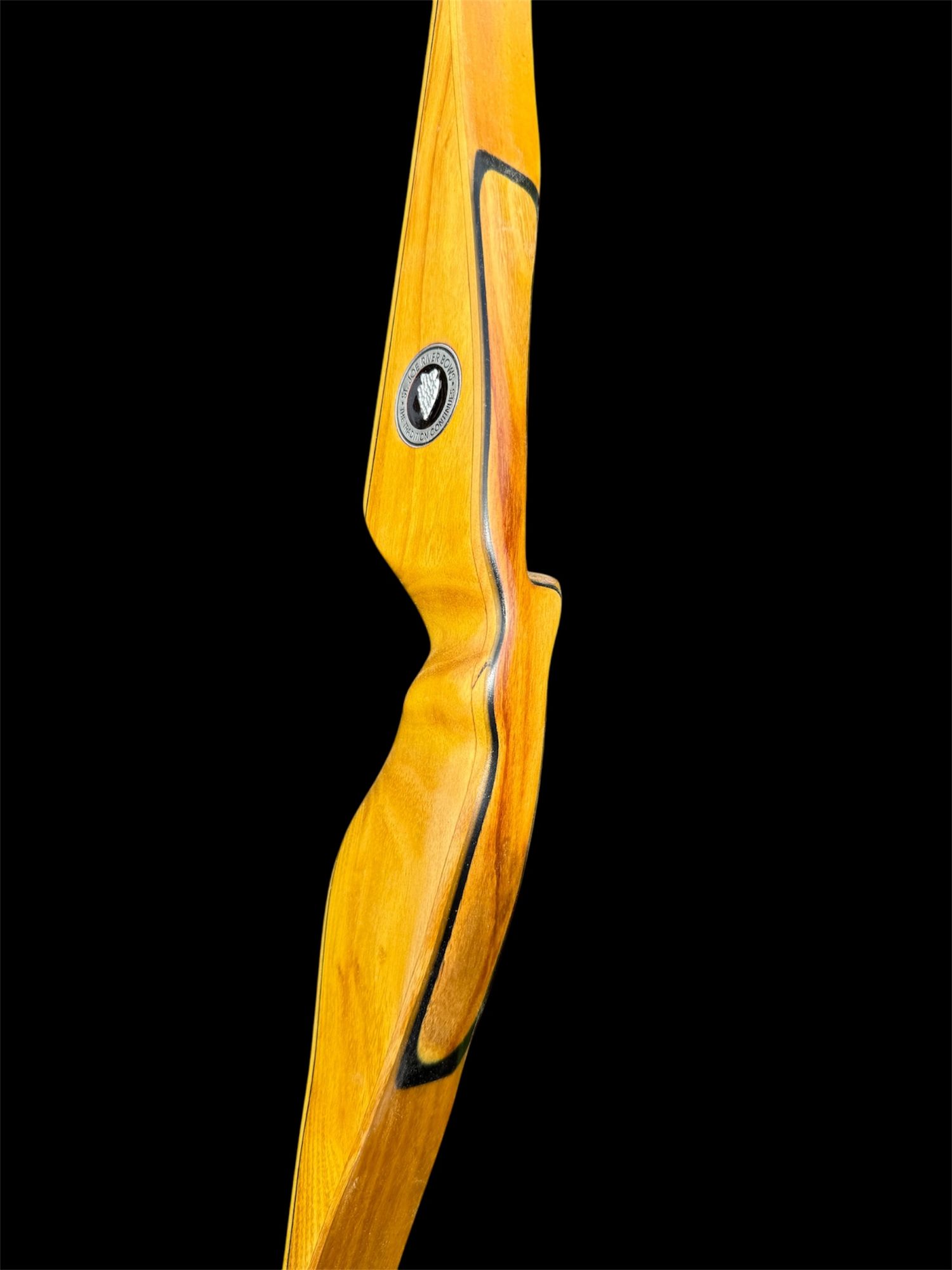
They are a lovely couple and huge supporters of young archers in the traditional archery community. Please take some time to check out their website (https://stjoeriverbows.com/) which is packed with photos of some of their lovely looking bows. I’ve been fortunate to see some of their bows up close and being shot and been very impressed.
The latest episode of the podcast is now live on Spotify and Amazon music.
This marks the 5th year of the podcast. I can’t believe it’s been 5 years since I started this. I hope you are enjoying it.
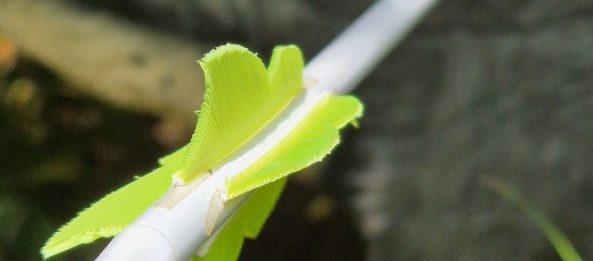
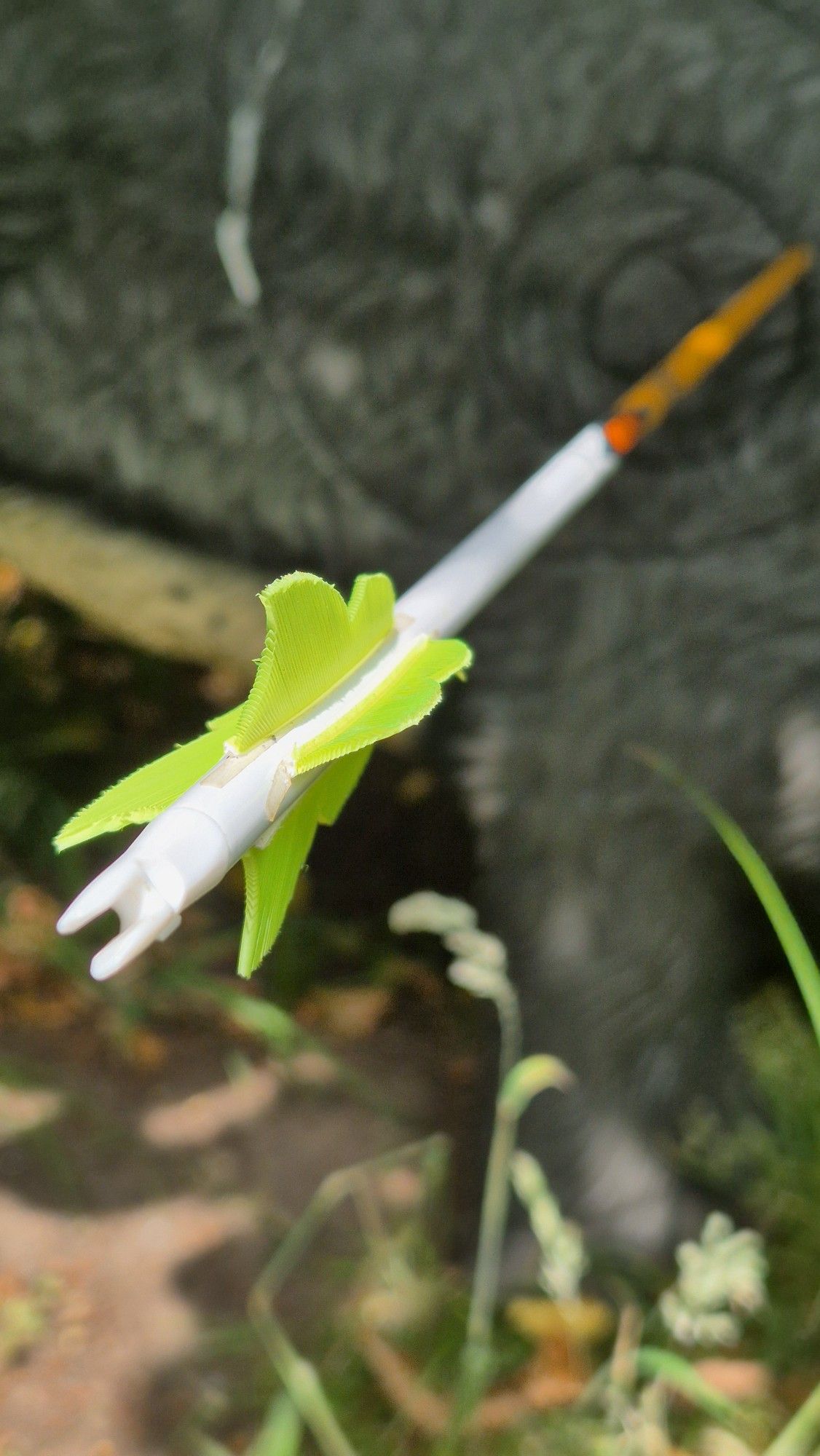
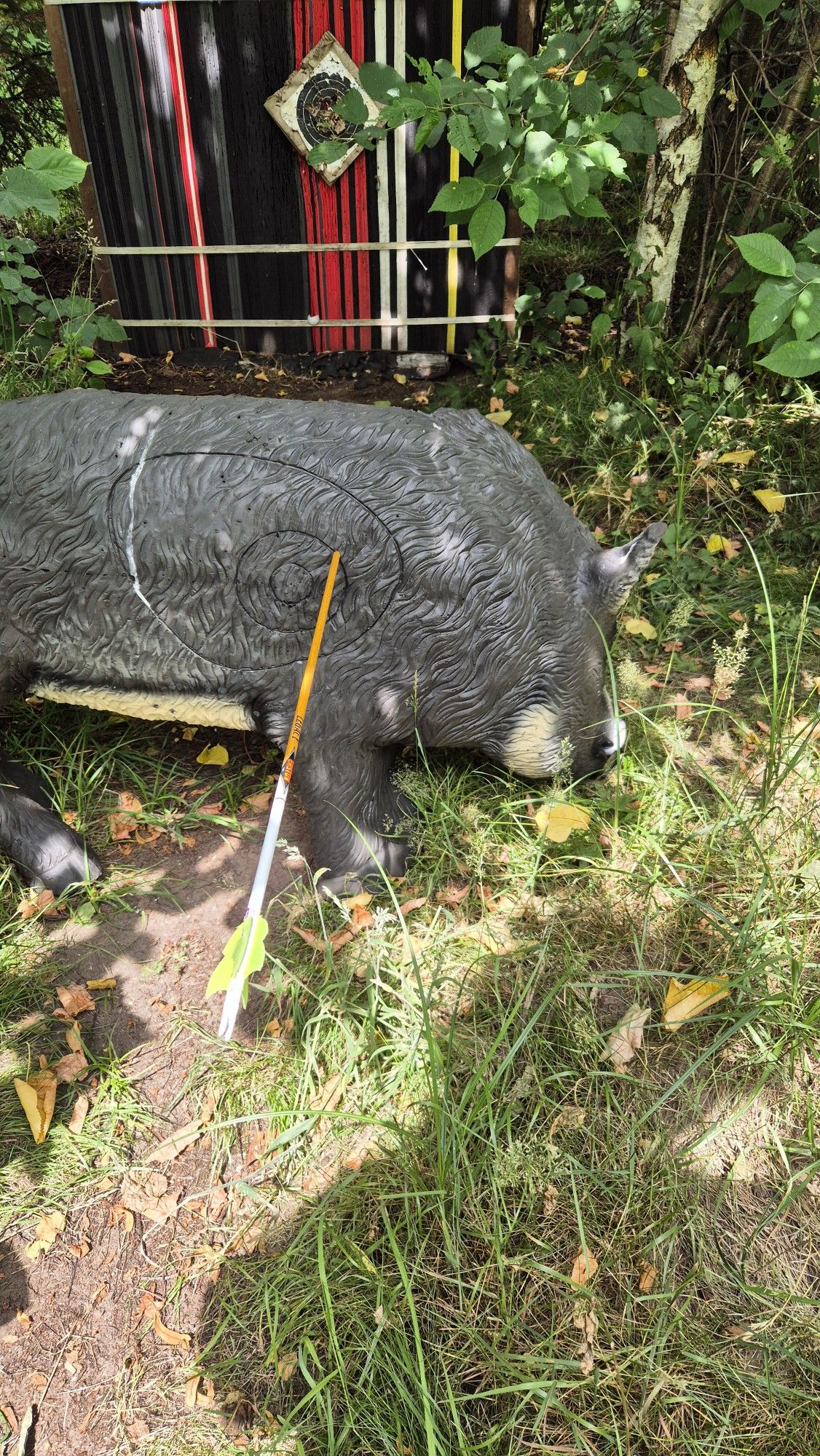
This one is a bit of a recap of what I have been up to for the last few weeks, including playing around with a 4 fletching combination on the Carbon Legacy arrows for my traditional bowhunter set up.
4 fletchings in X-wing formation
They fly well but I am going to experiment a bit more with a standard 90 degree setup and have bought a new jig to play with this so it doesn’t mess up my existing fletching jigs. Watch out for a review of the Cartel Fletching jig in future episodes.
They fly well
The main focus of the episode is to highlight that it is very easy to feel swamped or as I put it drown in all the information out there about how to shoot, what you should or shouldn’t do in your draw cycle or release.
My advice is to all archer whether newbies or experienced is to take a moment to stop. Take a breath and remember what may work for one person may or may not work for you. Everyone is different and this is why there is so many different bow styles out there.
Some archers will love shooting a single string longbow, others will want a more technical approach with an Olympic recurve. The important thing is to find something that you enjoy shooting and you can do it safely and successfully.
By safely I don’t just mean safe in so far as being a danger to others, but safe for you physically and mentally. I’ve had archers come to me with injures due to being overbowed (draw weight too high for them) because they have been advised to shoot at least a 45lb draw weight or more. This has an impact on their muscles and how they struggle to draw and shoot but also on their heads too and the approach to how they feel about shooting, as it is highly likely to cause frustrations and annoyance.
If you stop enjoying it then you are less likely to continue and we want people to enjoy the hobby at whatever level you compete at.
There are lots of useful sites, podcasts and YouTube channels available for archers to review, far too many for me to mention them all. The important thing is take your time to read, watch and try things.
At first glance, this seems both an easy question to answer and a common question especially if you have a draw below or over 28 inches. The truth is that unless you have had the bow weight measured at the archery shop when you buy your bow, you can’t be guaranteed to know what the draw weight is at your draw length. Yes, I know all bows or limbs will have a draw weight shown on them, but this is always measured at a 28-inch draw and we all know that not all archers have a 28-inch draw.
There is a theory I have heard countless times that for every inch past 28 inches you draw, you add 2 pounds to the draw weight. This can provide a rough guide, but should only be considered an estimate, as the true figure will depend on the bow length, limb materials, limb and bow design etc. To provide an insight into what I mean I’ll give an example of when this doesn’t work. A couple of years ago I took a newly signed off archer to a local archery store to buy their first bow. The archer has a 30 inch draw and we tested out four sets of limbs from different manufacturers. All showed 26lbs at 28 inches. With his 30-inch draw, you’d expect a draw weight of approximately 30lbs. However when tested they ranged from 30lb to 37lbs.
For this reason, I decided it was time to buy a digital bow scale. There are several on the market and the one I opted for was the Shocq Digital Archery Scales. I purchased mine from Merlin Archery for £11.99.
Close up of the Shocq Digital archery scale
It’s very easy to use with a single button acting as the on/off switch, the same switch is used as a reset.
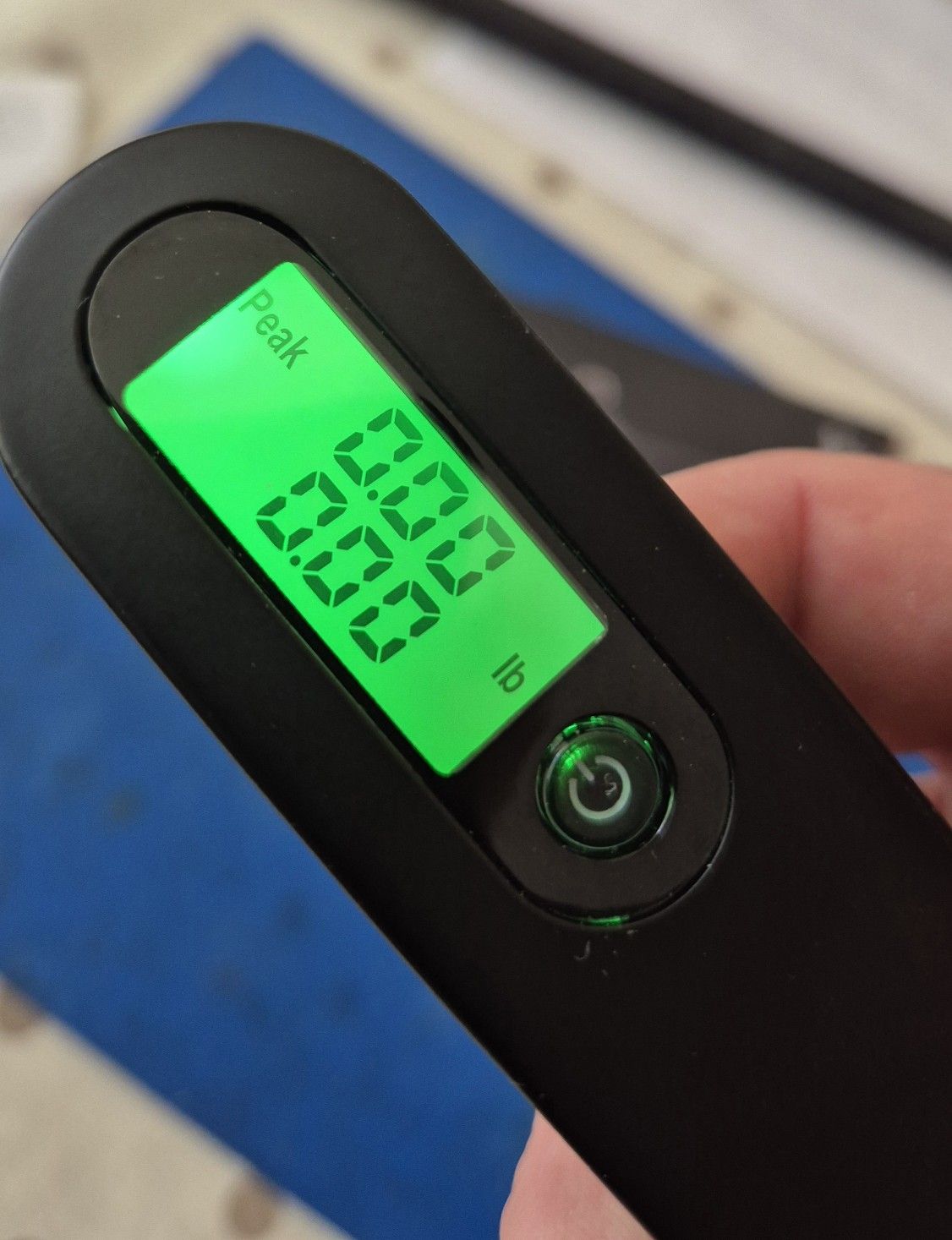
Display showing the digital scale switched on
The display is clear and shows both the Peak load and Holding weight. This is really useful in my view as I know there are some archers who, in their draw sequence, draw past their anchor point and then settle back down to their anchor. This means it can show the maximum draw weight and the weight you are holding on your fingers at anchor.
Display showing the Peak load and Hold Load
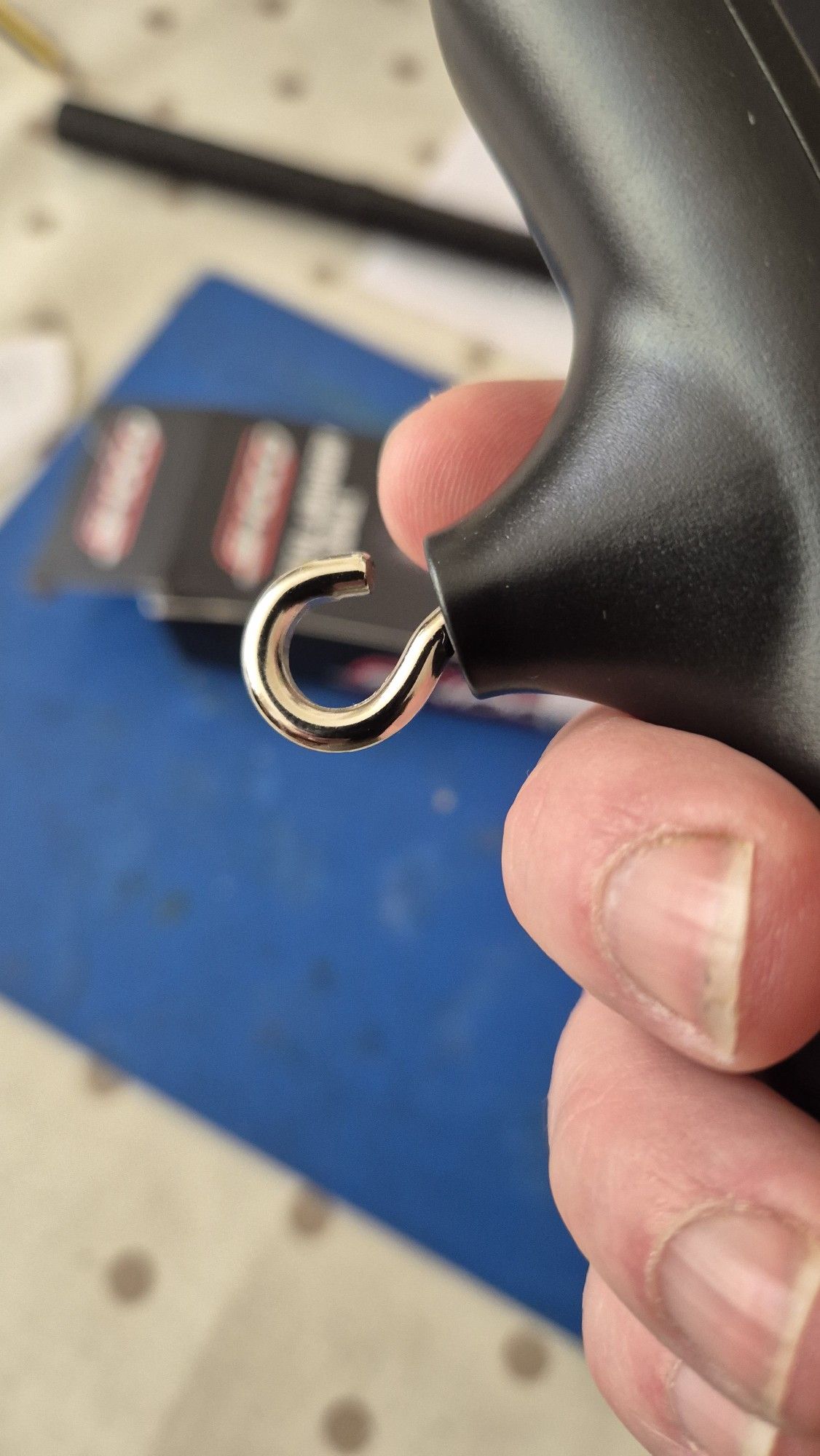
The hook on the back of the device is designed to loop around your bowstring. Personally, I’d like to have something like a lock on this so there is no chance of drawing back and string slipping out (Something highly unlikely to happen but better safe than sorry in my view).
Hook attachment of the Shocq Digital archery scale
You will need to think carefully when you draw up using this. If you draw up to your anchor point with the analyser in hand, chances are you will effectively be short drawing.
Why? Chances are you will draw and stop when your hand reaches your face when in reality you need to draw a little further back so the string is actually at your normal anchor point.
I’ve recorded my thoughts on the digital scale, you can view here or on YouTube channel )if you find it useful hit the Like button)
In summary, it’s an inexpensive addition to my coaching kit that has already paid dividends in helping archers I’ve been coaching recently.
When I have the time, I plan to go through all mine and club coaching bows to check their actual draw weights.
This is the first in a series of equipment reviews I’m producing for this site and podcast.







 My Archery Experiences