
The TradLab
For those of you who don’t know Cody Greenwood he is the founder of Tradlab (
https://www.thetradlab.com/) over in the USA. He has a background the field of analytics and is now focusing this expertise on traditional archery.
He has been working with the guys at The Push on a series of podcasts looking at arrow flight and the elements that effect it such as number, size of fetching, etc.. These are well worth listening to, offering some great advice and suggestions.
For those interested
here is a link back to the Push article I wrote a while back.
anyway lets get started.
Rob – For the readers who might not have heard of you Cody, how about introducing yourself and explaining how you first got into archery?
Cody – I have a background in Continuous Improvement.
Rob – that phrase brings back memories of my university studies of engineering. Sorry please carry on.
Cody – I have been shooting archery since I was old enough to draw a bow. I hunted as I grew up and my passion for Archery has consistently increased with every year. I have just begun to get into the competition side of Archery.
I am developing as I now start to tackle the mental side of Trad.
Rob – the mental side is a whole new ball game that is often overlooked with some trad archers.
Listening again to the podcasts which you did with the guys at The Push, you said how you wanted to put something back into the hobby. So why set up the Tradlab, isn’t there enough information out there for people?
Traditional Archery changed for me last year at IBO Worlds. Dewayne Martin turned to me and said 95% of what you learned about Traditional Archery from the internet is false. I spent the afternoon shooting with those guys and during that time I realized he was correct.
A close friend who also competes spent countless hours Coaching me as I had to unlearn so many things.
I was shocked at how much time I had wasted trying to learn from the “Internet Archers”.
Rob – wow that is quite a revelation. Maybe a flip side of this is some of those internet archers believe they are being beneficial. YouTube has been a massive success over the years for people who want to share advice and ideas.
I have to say I do agree in some ways, as with my coaching hat on I’ve spent a few sessions with archers, helping them unlearn bad habits. Some of which they have picked up from YouTube.
Do you think its partly down to not being able to identify easily what is appropriate or right?
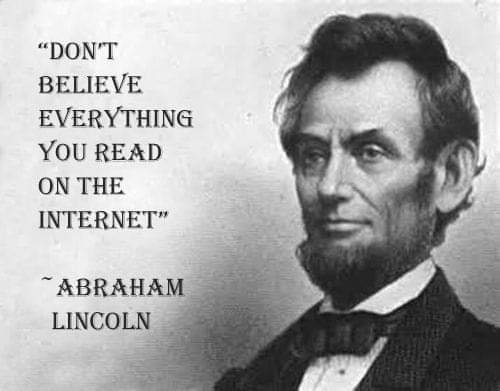
What a great quote – from the TradLab pages
I set out to expose this and TradLab was a result. I am using my skillset from my profession to test equipment and theories.
Rob – kind of a like a mythbusters approach in some ways?
My ultimate goal is to get people to go to the large shoots.
Rob – i think you are selling yourself short there Cody. I think you are trying to provide evidence based results to help the community as a whole.
A lot of what you covered in the podcasts are of benefit to hunters, field archers and social shooters.
Rob – Do you find the analytics of archery as interesting as actually shooting?
No absolutely not, I would much rather shoot versus study and test.
As a matter of fact I fear that I may be encouraging some to tinker in excess. We need to develop ourselves as Archers not constantly tinker with equipment.
Rob – My old coach always said, “Learn to shoot before you tinker with anything.”
As a coach myself I have often seen people tinker with there set up believing it would help, when in reality they would be better focusing on their own form or shot sequence.
My goal is to leverage my analytical base to save others from having to test with one factor at a time trial and error. This should enable them to focus on their shot versus testing.
Rob – I have to say the inner nerd in me loves to track and record stuff for improvements in future so hearing that someone else is also doing this makes me happy.
Where do you see yourself going with your archery and the TradLab over the next few years?
The future of TradLab is not clear to me at this time. I know I want to add more value than I take from this community.
My primary goal is to give back. If it turns into a sustainable business that adds value I will apply effort and time. If I find that TradLab becomes anything less than value add for the Community I will stop. I do not have any revenue coming in from TradLab at this point.
I do know there is a lot of bad information and products in our community. I will articulate this through my testing.
On my site I have limbs that sell for $800 that perform worse than $400 limbs. I want people to see this and make good product choices.
Rob – I can appreciate that sentiment. I’ve always tried to be unbiased in my reviews so people can have the facts and make their own minds up.
Rob – How can people get involved if they want to?
People can contact me through my website
www.TheTradLab.com, instagram or my facebook page. They can also reach out the folks at Push archery.
I am always interested in theories or new product testing.
Thanks for taking the time to go through this. I’d like to take this opportunity to wish you the best of luck with the TradLab. Looking forward to more reviews and research over the next few months.
Thanks for reading




 My Archery Experiences