So in the last post on course laying ideas I made reference to distances addressing a few things to possibly consider. In this post I’m going to look at target size and choice. I know in some societies they always shoot circular targets of varying sizes and over marked distances.
In the NFAS we shoot printed animal shapes and pictures, with marked scoring zones or 3D targets. Both over unmarked distances, so this is what I will cover in this post.
So it might seem obvious. Large target is easy to hit, right? Well maybe not, so lets see if I can debunk a couple of myths concerning target faces.
Myth number one – A large picture = large target
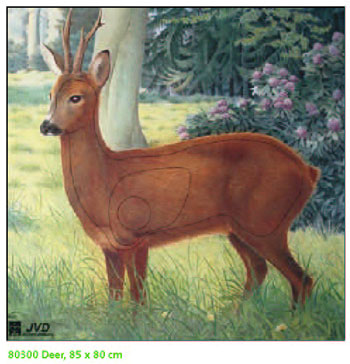
Not always, so to start here is a word of warning on target faces and face selection. Just because it is a large printed sheet of paper doesn’t mean the target is large or scoring zone is equally large. There are a few targets where the picture is large but the target animal itself in the picture or scoring zones in the animal aren’t. A good example of this is shown below and is what I tend to call the rhododendron deer because of the bush shown in the background.

Deer
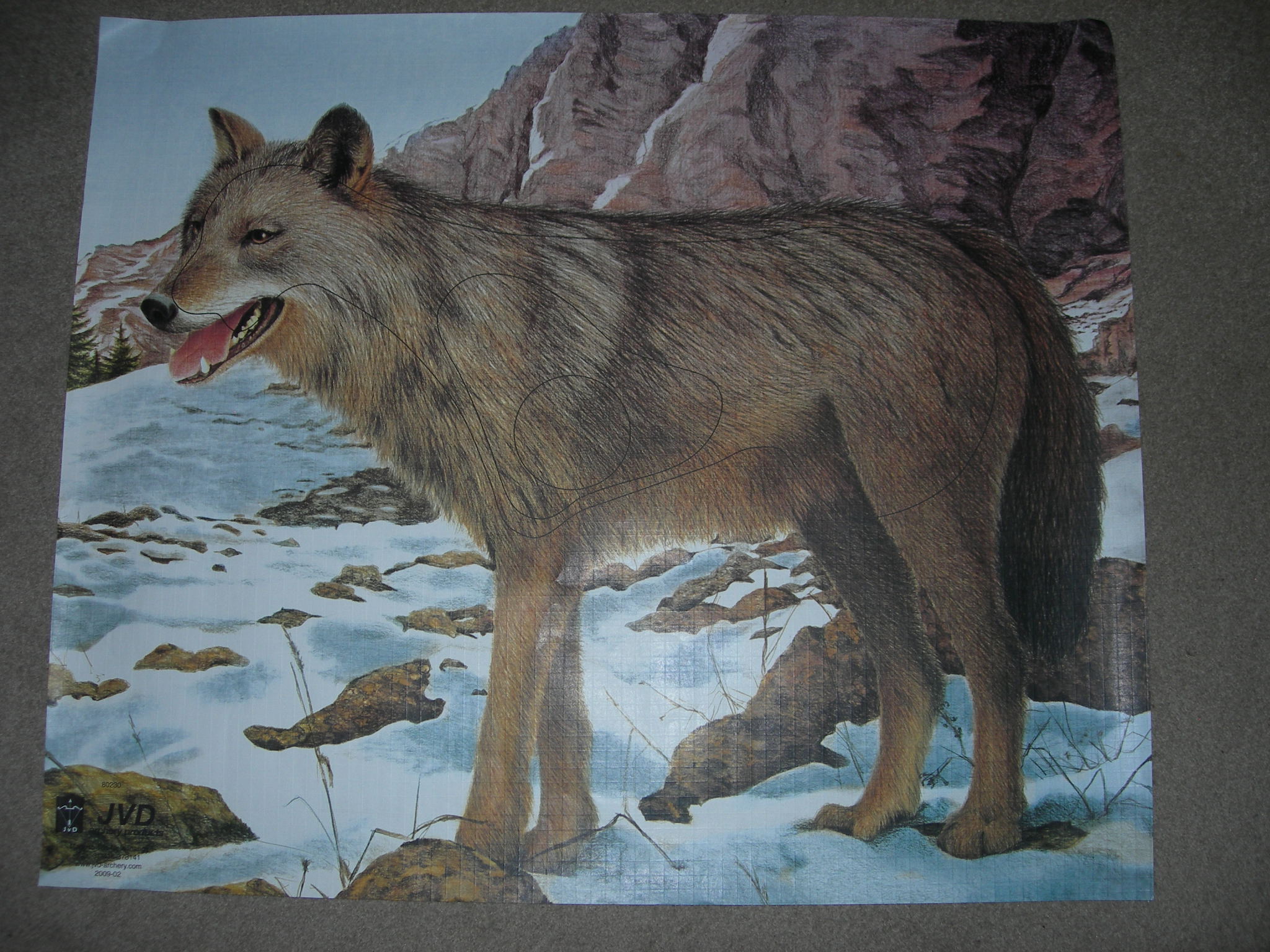
The target face is quite large but the first thing to note is the animal is not that large on the face, secondly the scoring lines are some distance in from edge of the animal. This wolf image is another example.
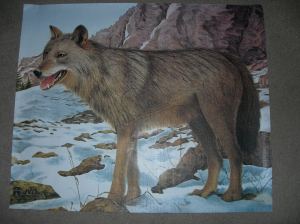
Wolf picture
Myth two – all targets have the same scoring zones.
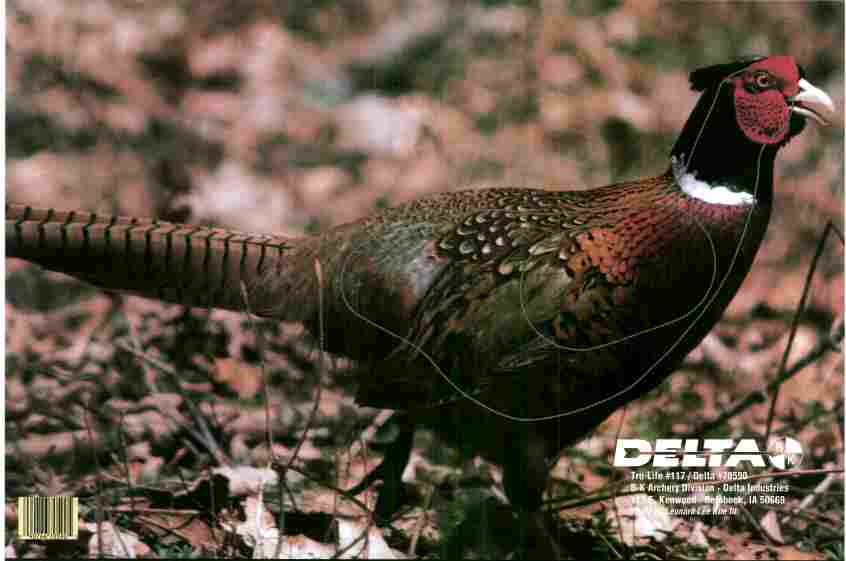
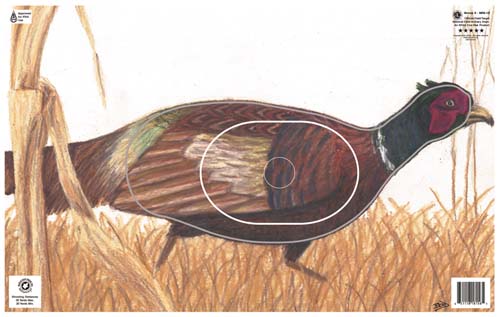
There are probably thousands of different target faces out there (Merlin JVD Delta Maple leaf etc) and hundreds of 3d targets. Here are a few Pheasant images

Delta Pheasant

JVD Pheasant

Mapleleaf Pheasant
You can have a dozen images of deer or rams and each has slightly different scoring zones, some following the line of the animal others have the scoring line much further in making the face look larger while in fact it’s not. So you might like to consider this when setting up the target and selecting a suitable target face. If you want to make a shoot easier choose targets with larger scoring zones.
3Ds are the same with each manufacturer being slightly different and if they have been repaired by the club then chances are the scoring zones maybe different.
Simple Plea
Please, please, please don’t repeat target faces on a course. There is no need on a 36 / 40 shot course to repeat any target face or 3D.
There is nothing more depressing than walking up to a shot and going oh it’s 16 yards so must be a racoon!
I’ve shot courses where in 36 targets there were multiple repeated target faces of raccoon (3) deer (twice) ground squirrel (2-3). It reflects badly on the club and can spoil the day.
Size of target face or 3D
Well this is kind of obvious or is it? You don’t put a small target at long distance as you’ll be accused of stretching shots or being in the target preservation club.
But put a large face at comparatively short distance can confuse people as they look for the trick. Others will relax and not concentrate and end up with a 16 rather than the 20 they were expecting or even worse having to take a second arrow. We saw this with our last shoot where we put a multiple shot in (see posting). Another example is the old Rhino shot shown below.

Our Target 4 Paper face Rhino
This rhino paper face is just about 34 yards away from the first shooting peg for an adult, well within the normal distance you see it at. Yet many misjudged it on our recent shoot.

Merlin Rhino
Possibly because they were expecting it to be further than it was.
Managing faces on the day
When replacing a target face because its shot out make sure you position the replacement face exactly where the old one was so all archers are shooting the same distance or height. (I’ll do a later post on how many faces you might need for a shoot, and preparation and mounting them)
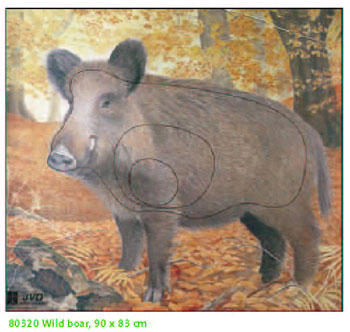
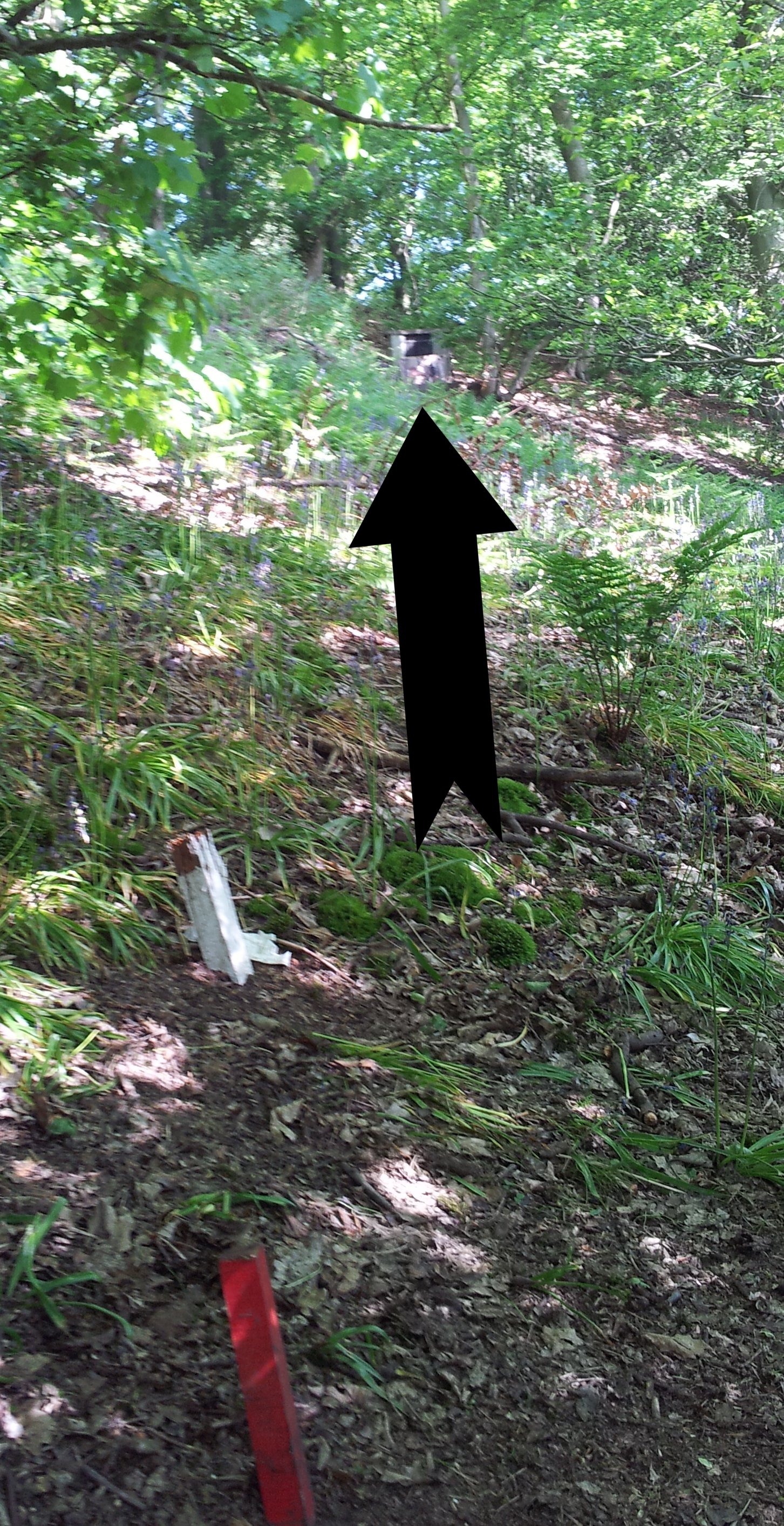
Useful tip – There are a few target faces which have great ground cover or settings. The JVD boar is one that works well if there is leaf cover on the ground as it merges with the target.

JVD Boar
You can see how good it looks from the red peg.

First view from Red peg
Targets at an angle
There have been a few shoots recently where targets whether paper or 3D have been angled.
The result of this is it reduces the scoring area but it tends to increase the damage to both 3Ds and bosses as the foam is torn or ripped.
I’m not a fan of putting 3Ds at an angle promote tearing of 3d as arrows glance off.

Sharons arrow is the top one.
In my view Small 3Ds are not always worth while as they have a smaller area so hits are concentrated into one area. I know some manufacturers are looking at this. See the long life targets link a friend posted a while back.
If you find this useful or have any questions then please contact me.
As always thanks for reading.









 My Archery Experiences