Episode 153 – Shoot Report – Paget de Vesey

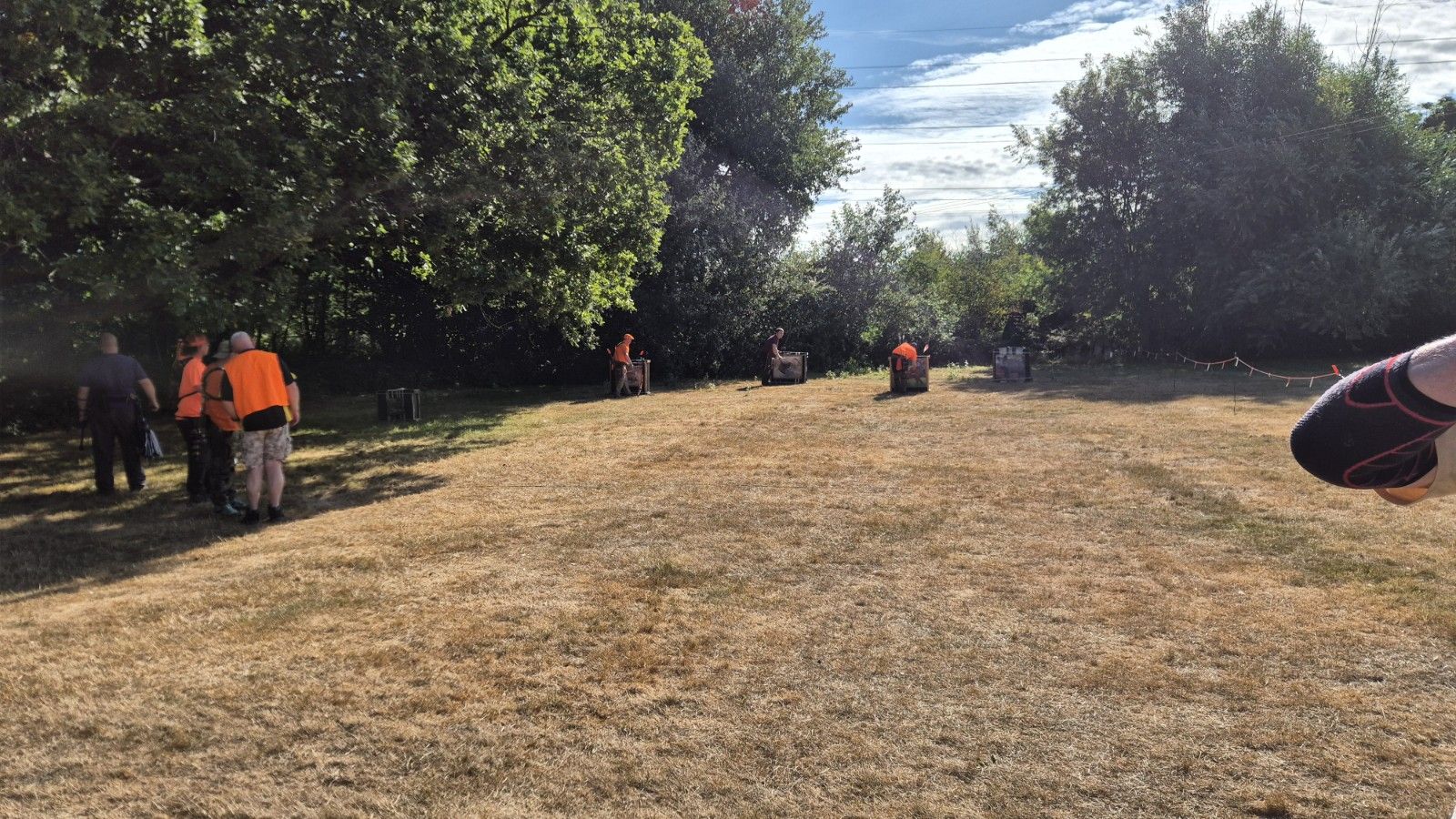
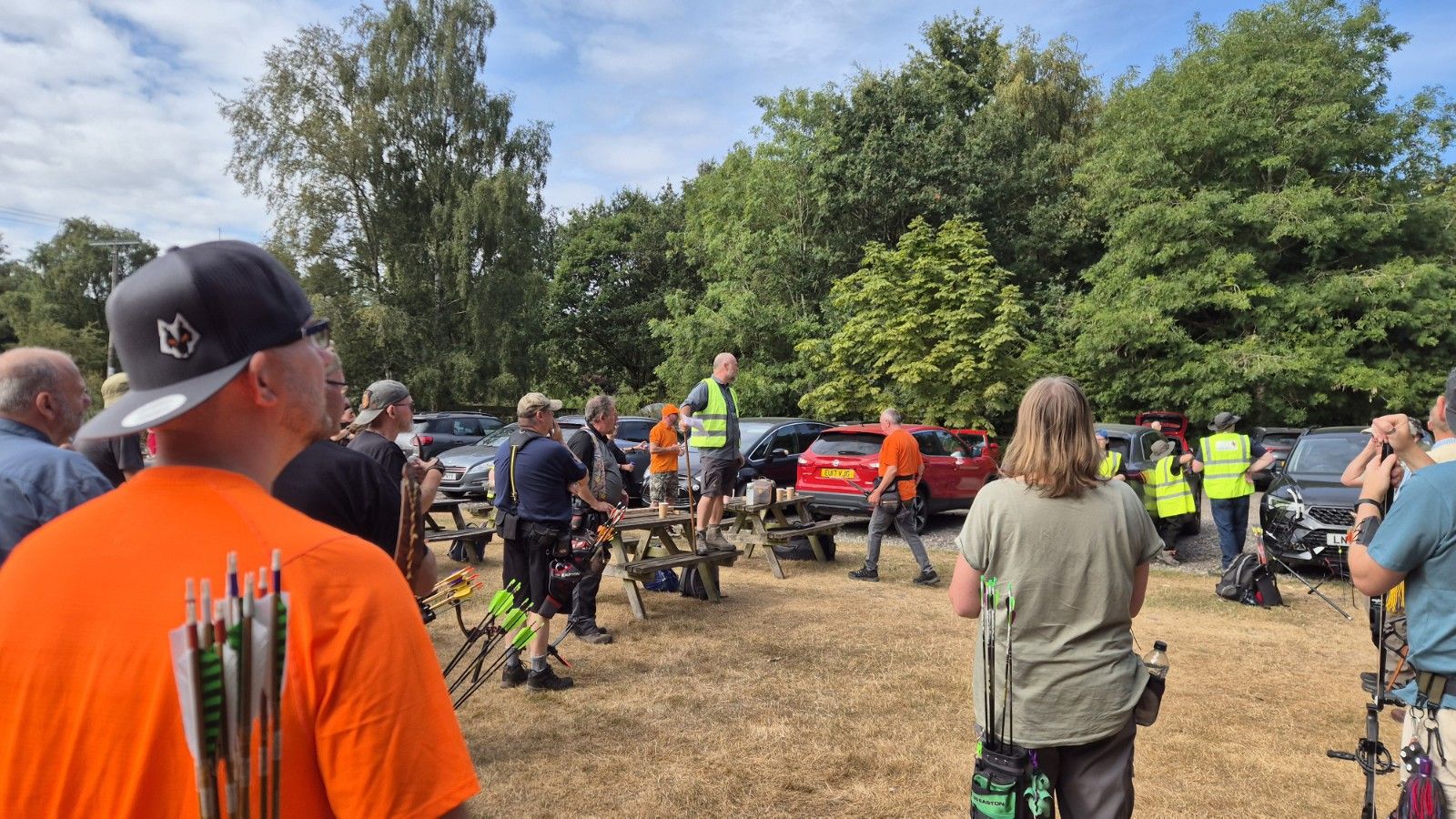
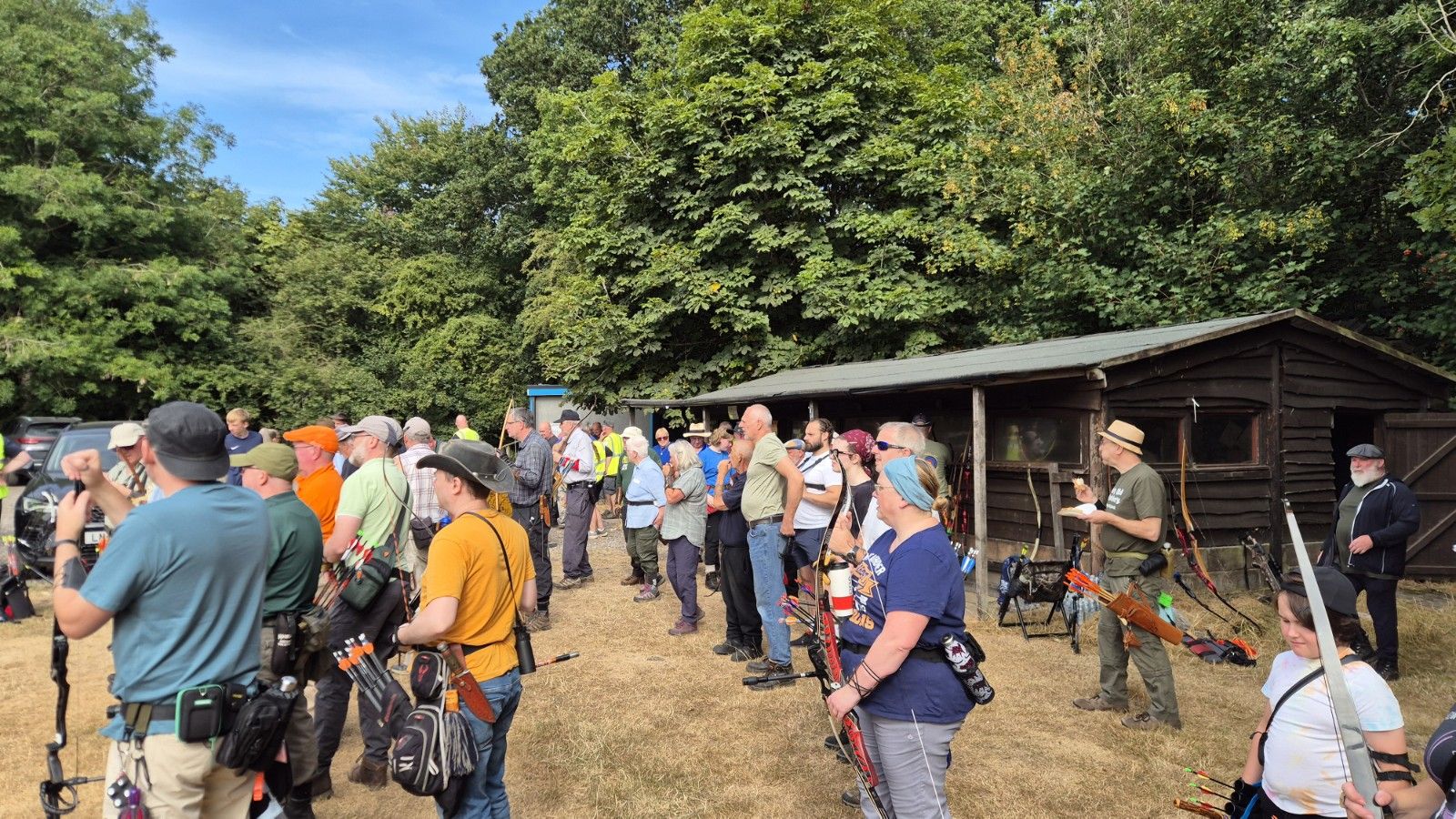
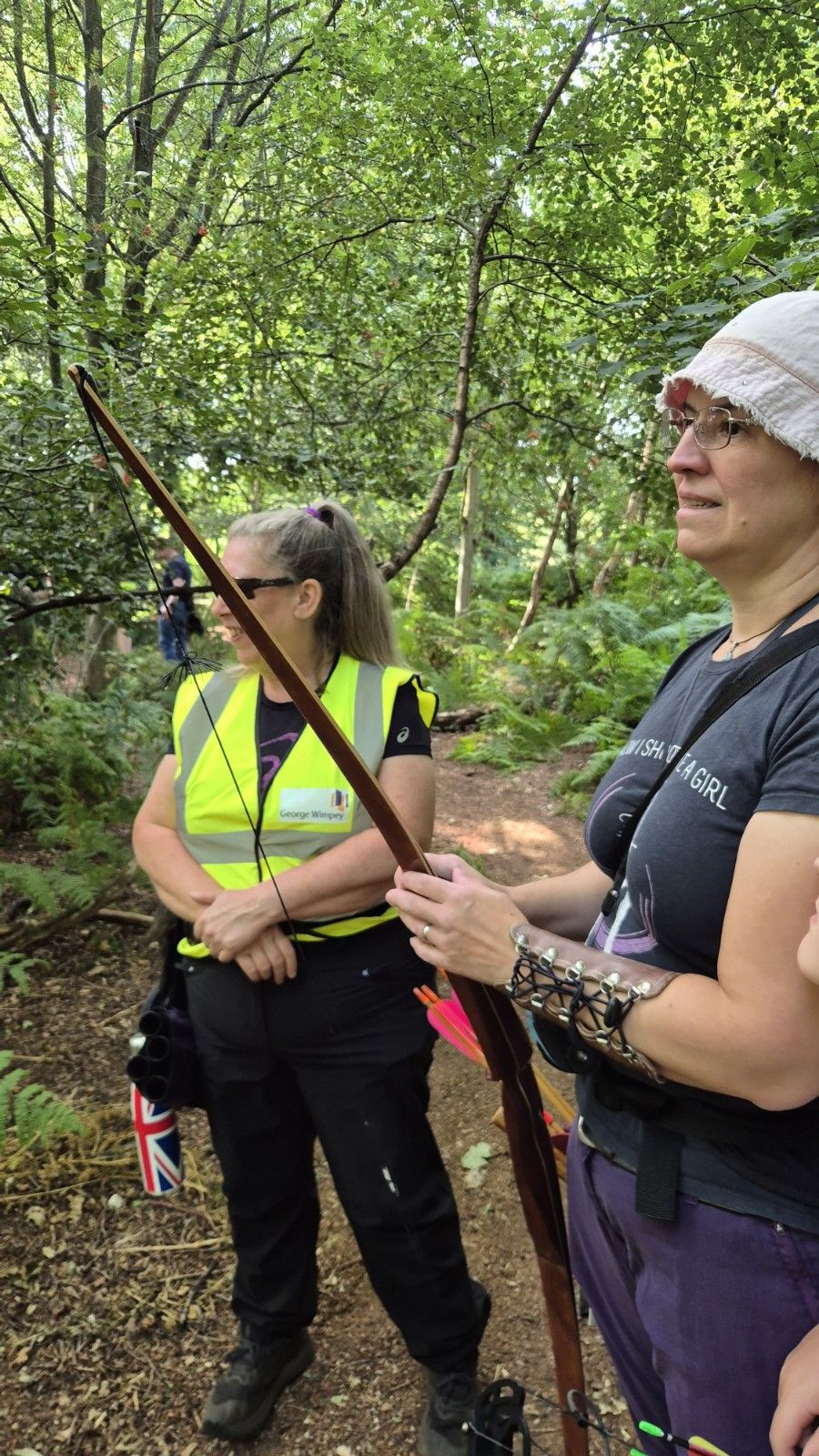
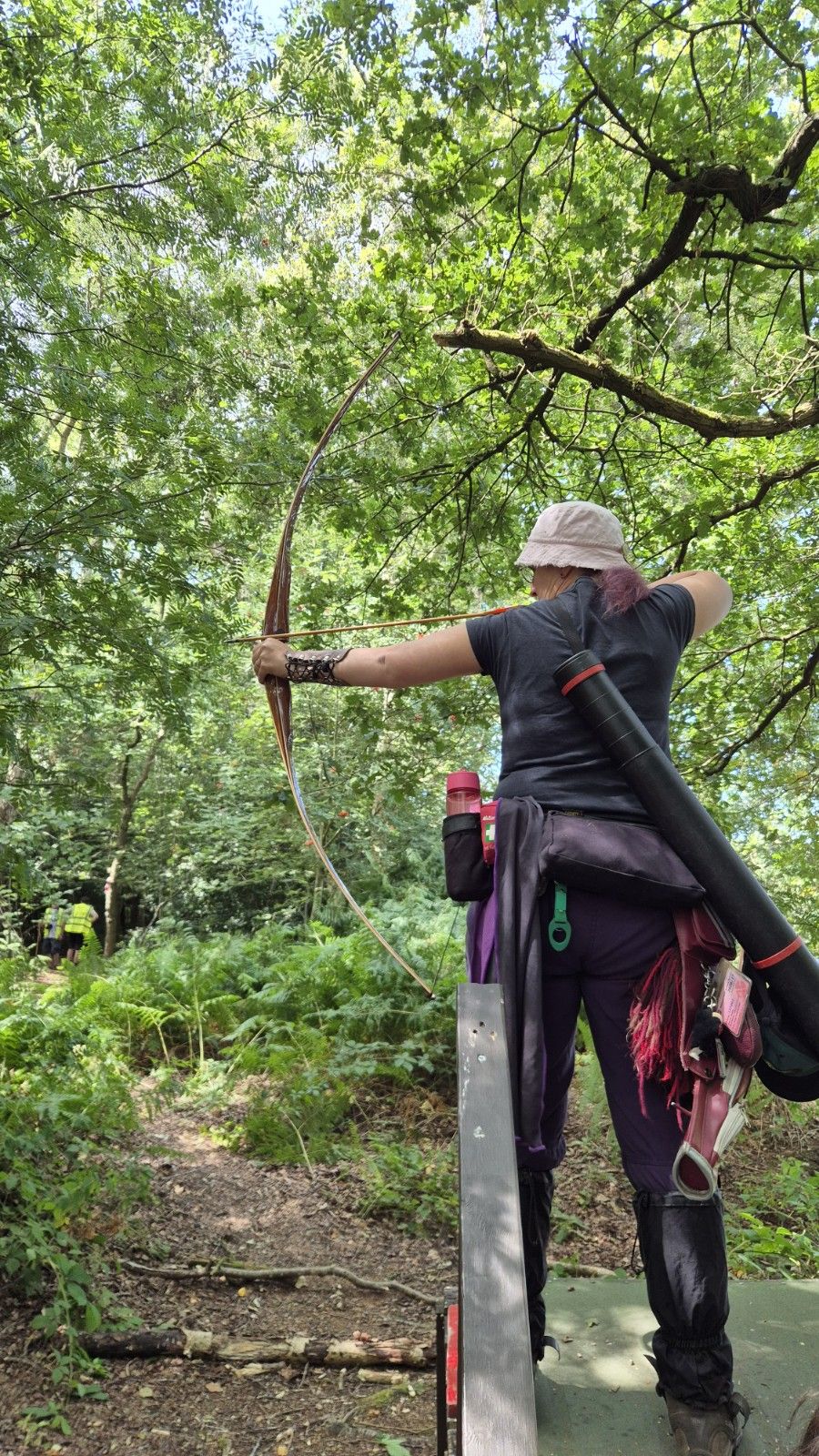
Welcome to another episode of the podcast and to another shoot report. This time is it for Paget de Vesey shoot, held a couple of weeks ago.

I have a soft spot for Paget shoots as the club hosted the first NFAS shoot I ever attended al those years ago.

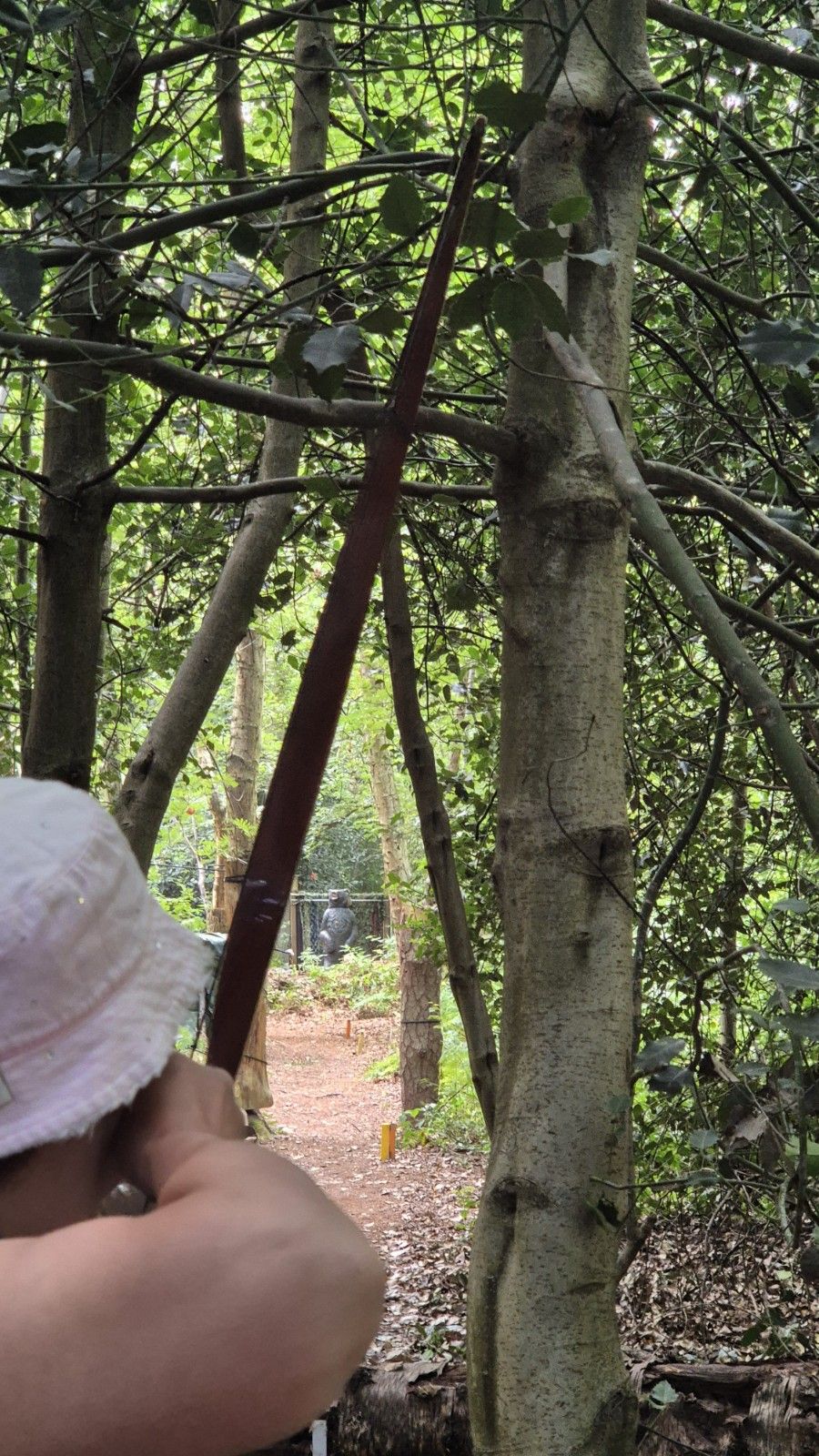
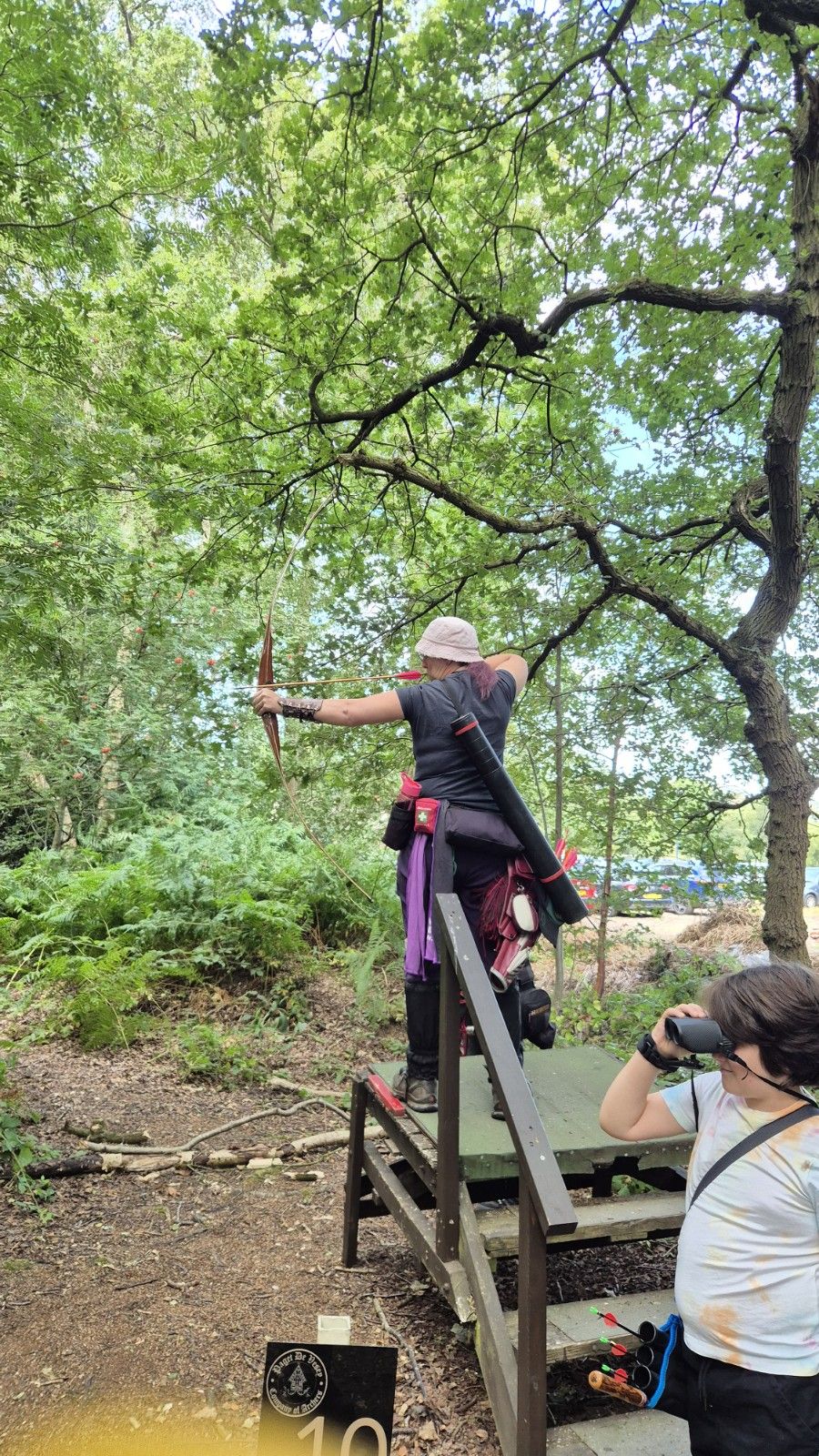
Due to Paget de Vasey clubs site being quite small, approximately 2 acres they host a twice round 20 course, where you shoot 3Ds the first time round and then paper faces the second.

I feel this is quite a good idea in many ways as it avoids the club having to put double pegs out and is quite easy to manage for marshals and archers. On that point of marshalling I have to say I thought theirs were excellent. There were plenty of them wondering round and all friendly. They were also very friendly and open when I raised a concern about one shot, where I could hear voices from behind a large holly bush and was concerned the group in front hadn’t cleared the shooting lane. As it was the shot was perfectly safe and they handled my concerns quickly and professionally. Top marks guys.

As always the episode is available on both Spotify and Amazon music.
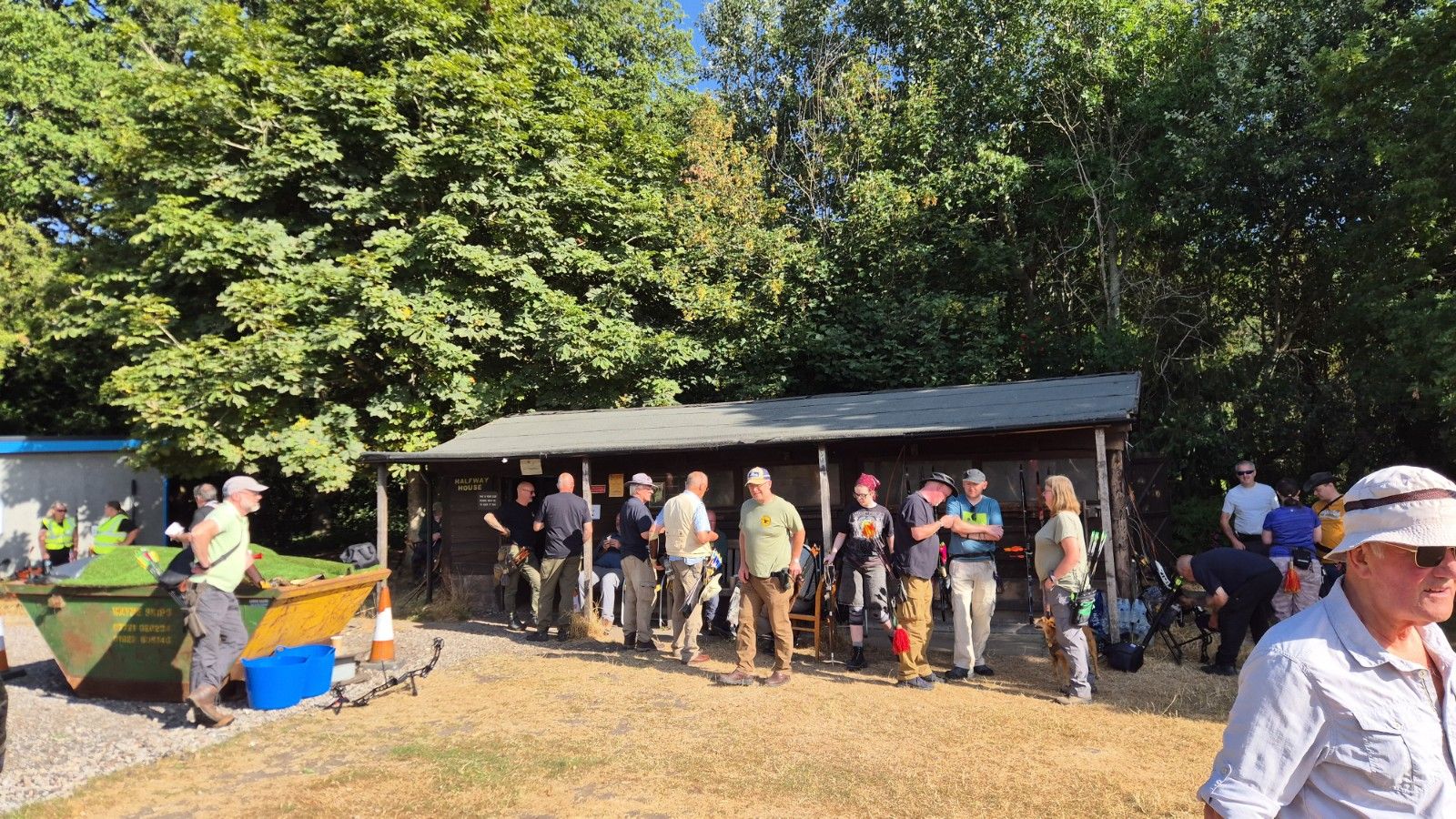
We were very lucky with the weather as it didn’t get stupidly warm until later in the day, which resulted in seats being moved in the shade. Hats off to the ladies in the catering hut as they must have been roasting in there all day. As it was Paget had provided able water for all archers to keep them hydrated in the heat.

Attendance was about 80 archers, with a few no shows.

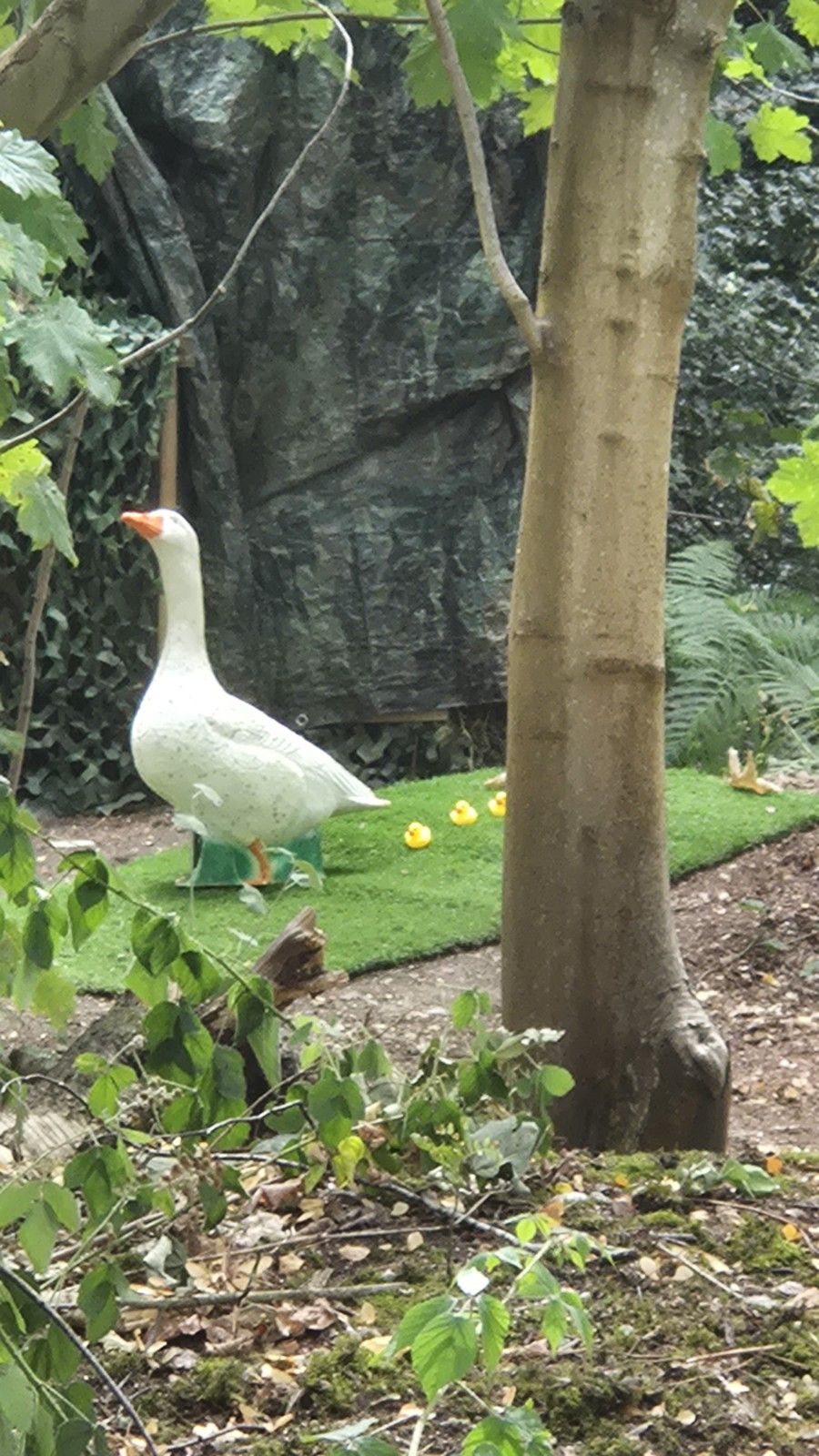
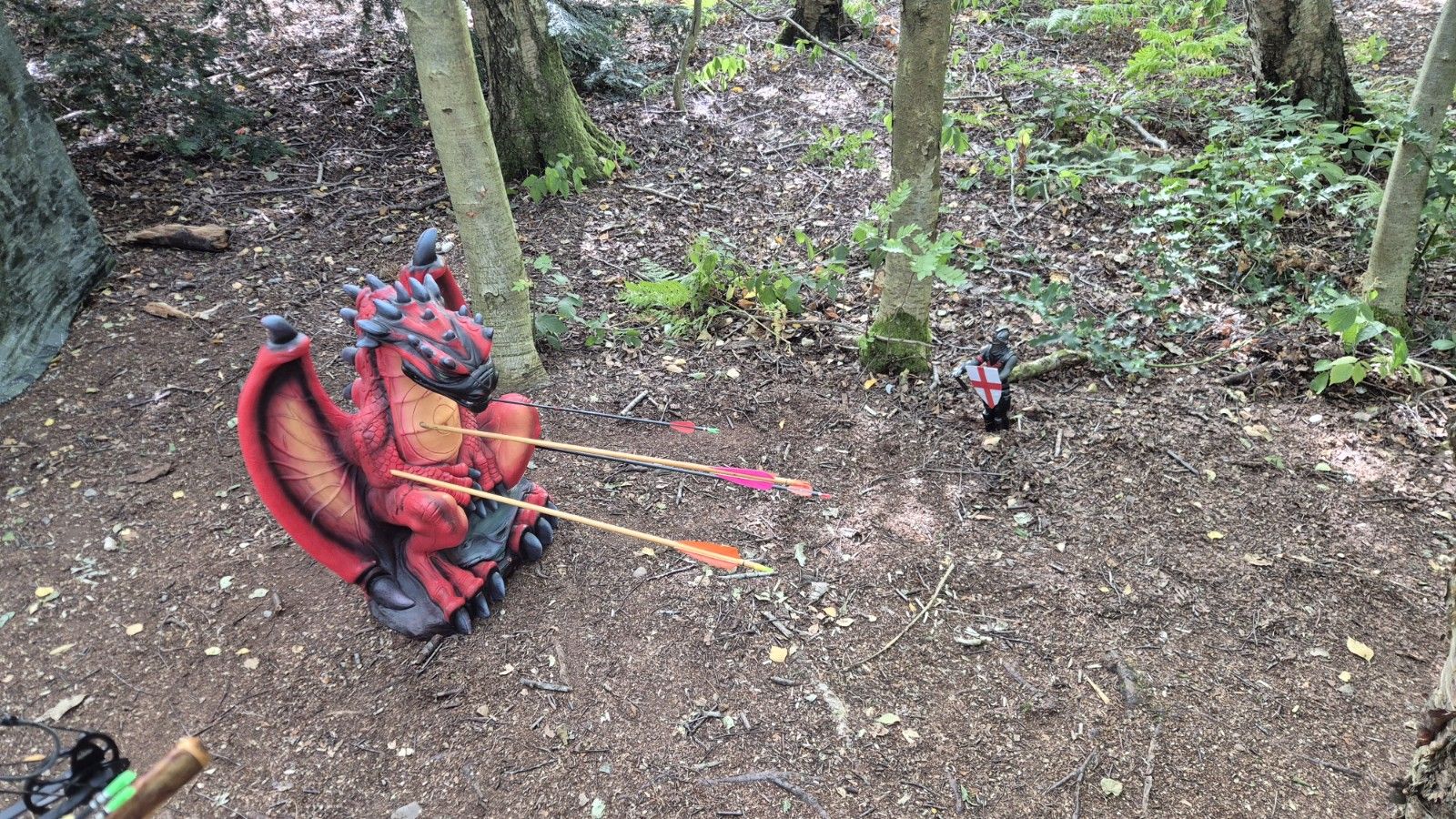
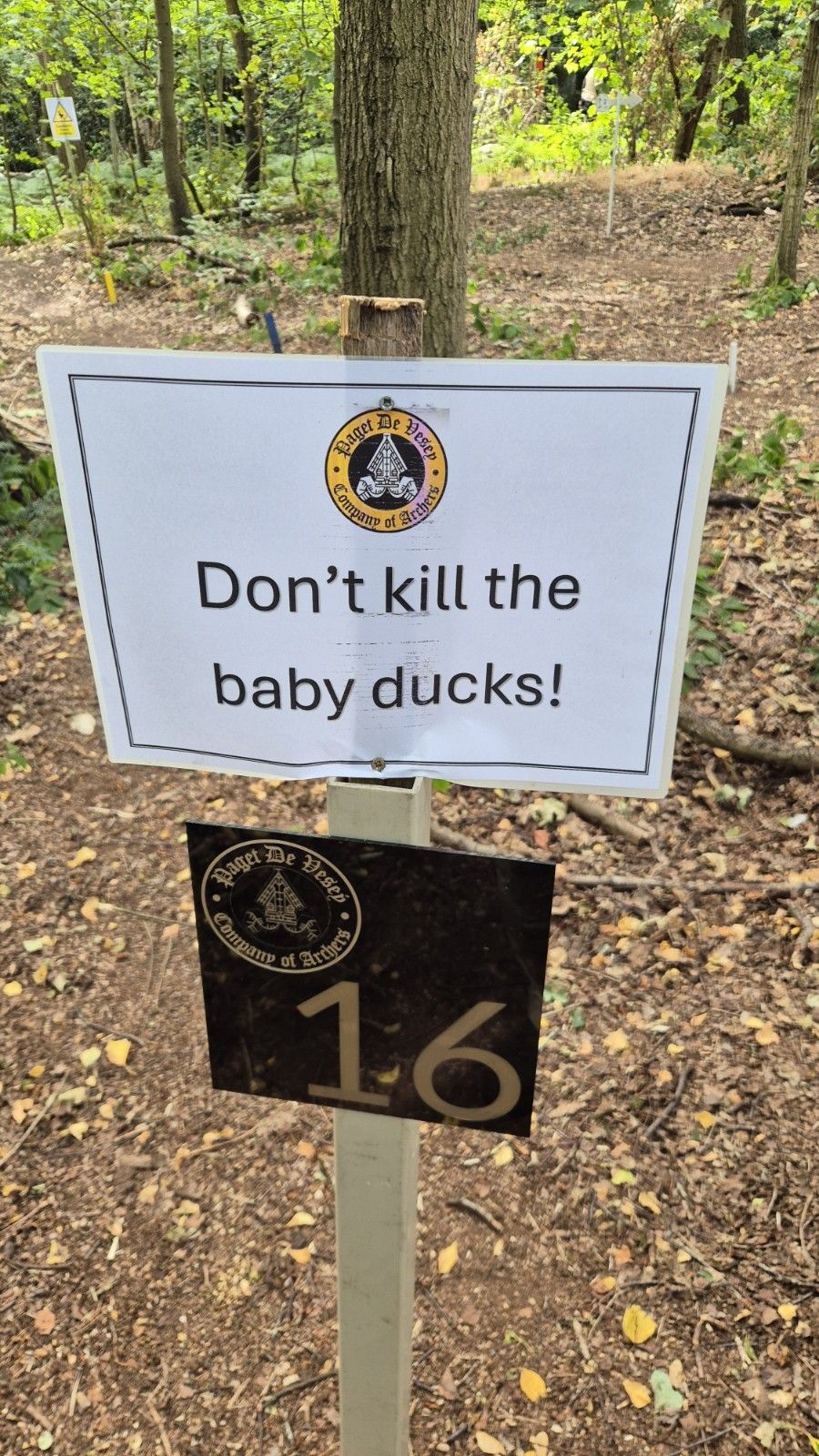
There were some clearly laid shots and lots of effort on scene setting with a little pond for the 3D frog target, a tin bin for the racoon 3D to make it look as it was scavenging for food. The goose or large duck 3D and row of rubber ducks behind was also quite funny. One 3D I thought was really well set was the 3D bear as it as quite hard to judge the distance and height of the target.

They had 2 novelty shots, a moving target and robbo panda, where you only had 1 arrow at each. What was nice to see was that they changed the moving target from a 3D boar on the first loop to a smaller 3D badger if I recall correctly.

The robbo panda was a small metal. Yes you read that correctly, it’s a small metal panda, with a central hole. If you hit the metal you scored 16 points and a broken arrow, if you got the centre of the panda you scored 40 points.

There was an alternative target of a 3D squirrel or paper face squirrel if you preferred.

On the second time round you shot paper faces and they had tried to replicate the 3D shots with similar paper faces. This worked pretty well, though I think some targets were quite challenging. They had opted for non NFAS faces and modified some of the scoring zones to make them more forgiving.

Over all it felt a very relaxed shoot, flowing well with only one hold up on the second time round, which was at a long paper face bear shot.

Enjoy your archery.

Episode 139 – 2025 a year in review

Welcome to the last podcast of 2025. How crazy is it to think 2025 is almost over. It’s that strange time between Christmas and the New Year, where we lose track of which day of the week it is and its still festive but not Christmas.

In this episode, where I dare to be in front of the camera, rather than just a voice,  I give a quick review of 2025 from Off the Arrow Shelf HQ, also known as my office come fletching room, but more importantly I get the opportunity to say thanks to all my followers, listeners and subscribers. I’ve uploaded it to YouTube, Spotify and it’s on Amazon music.

There is my YouTube channel where I have been uploading more content this year, both shorts and longer form recordings of 3D reviews, gear review and more. If you enjoy the content, please hit the Like button and consider subscribing to the channel.

Two videos that have seen a lot of feedback have the the breakdown of the NFAS shooting styles for Barebow and Traditional Bowhunter. I hope to do some more of these covering different shooting styles.

I have been very fortunate to have some fantastic guests this year from the world of archery, scouting and beyond.

I would also like to give a special thanks to my friends who have been amazing this year. A year that has been very emotional with the recent loss of of my Mam

As for 2026? I have a few ideas for some more 3D target reviews along with some coaching topics including how to use a range finder to aid your archery development, along with working on videos I mentioned earlier. I might even get to do some archery, if I can decide on which bow to shoot. In the meantime remember to enjoy your archery.

If you have any questions or queries you can drop me an email on or via this website 

Most of all remember to enjoy your shooting and as always thanks for listening, watching and supporting me over the past year.

How do you track your progress

In this episode (episode 130) of the podcast, I do my best to answer a question from a follower. The question is about how you go about tracking your progress and monitoring your improvement in archery over time.

I break the process down into tracking progress when shooting at your home club grounds and when you venture out onto competitions. It’s a tactic I have used for several years and the process works well.

I’m not going to be giving advice on how you improve your archery in this episode, it’s solely about tracking your progress.

Home club

The difficulty with shooting the same course is you don’t always focus in the same way, you can become a little complacent resulting in a lack of focus in the same way. I’ve used this phrase in the past ” You learn to shoot the coach and targets, you don’t learn to read the shot.”

In NFAS the goal is to shoot as few arrows as possible when at a competition, as your first arrow will score the highest being 24 pts / 20 pts / 16 pts. If you take a second arrow this will score 14 pts / 10 pts, with a third arrow scoring 8 pts or 4 pts. Remember in the most commonly used course round in NFAS, the Big game round you only get to shoot a max of 3 arrows. If you miss with the third and final arrow you blank the target i.e. score 0 points.

There are other rounds but the Big Game round is by far the most commonly used.

The first thing you will be wanting to track are the number of blanks you have when you are shooting. Chances are when you are starting out you will be getting quite a few of these. As I explained earlier a blank is when you shoot all 3 arrows but fail to score. You obviously want to try to reduce the number of blanks and over time as your skill improves you will, replacing them with a successful hit.

The next this you will want to track are the number of 3rd arrows which are scoring. Note down what you scored, was it a 4 or an 8. Ideally an 8 means you have learnt from the 2 previous misses, compensated and produced a good shot.

You also want to track the number of 2nd arrows and what you scored, was it a 10 pts or 14pts . A 14 normally means you have been able to correct you mistake or misjudgement, nailing it the second time.

The final step is to track the number of 1st arrows and what you scored, was it a 16, 20 or a 24. You goal is to increase the number of first shots that hit.

Over time you will see your arrow count reduce and scores gradually improve, but it may take time. So please be patient with yourself and kind to yourself. Its also worth noting any other variables, like different arrows, or if the weather such as strong winds or rain impacted your shooting.

At open competition

When you start going out to competitions you still want to continue to track your blanks, 1st, 2nd and 3rd arrows as a point of reference as this can indicate how things are progressing over time.

The other method of tracking progress is to identify a base line as a comparison. The thing to remember is that NFAS courses can vary greatly, this means no 36 or 40 target course can be identical to another. Even if you shoot the same clubs course on multiple occasions chances are there will be differences, whether that be 3d targets used, peg positions or even the weather.

Therefore, it’s a good tactic to identify someone act as a baseline. Ideally the person chosen should be someone who shoots consistently. Not like me who have good or bad days. If you can track their scores and compare it to yours you will be able to judge how challenging the course would have been.

Lets say the you scored 400 and your baseline person Mr Smith scored 600, a difference of 200. Next time you shoot you get 350 and Mr Smith gets 550, still a difference of 200 you know it was probably a more challenging course.

Then on the following course you score 500 and Mr Smith scored 600, you know you’ve probably improved.

I hope this helps and enjoy your archery.